Samsung's Tyrannical Grip on DRAM and NAND Memory: Non-Cancellable Contracts and Fixed Prices for 5 Years
The memory industry, characterized by supply tension and soaring demand driven by AI, has seen manufacturers regain control. However, Samsung is going further, directly redefining how DRAM and NAND are purchased at scale through its contracts and pricing for partners and customers.
Samsung's strategy centers on long-term contracts, ranging from 3 to 5 years, under strict NCNR (Non-Cancellable and Non-Returnable) conditions. This means customers cannot cancel orders or return products once the agreement is signed, eliminating any flexibility in the face of demand changes or market fluctuations.
Samsung Begins to Act as a Tyrant with DRAM and NAND Memory Towards its Customers
The company is adopting a stance that many consider tyrannical, especially by imposing NCNR conditions amidst a crisis affecting the sector, businesses, and users.
This new model fixes volume and price from the contract's inception, with revisions controlled exclusively by the manufacturer. This strips clients and partners of their negotiating power, breaking with decades of cyclical dynamics in the memory market.
While original equipment manufacturers (OEMs) previously adjusted purchases based on market cycles, managed inventory, and leveraged price drops to improve margins, they now face a situation with no room for maneuver—a "take it or leave it" scenario with no possibility of complaint. Given and explained the problem, it does not take much to understand what is to come, but even so, let's go with it.
Manufacturer Decline Accelerates, Sales Will Stagnate, Users Will See Increasingly Higher Prices
With this strategy, Samsung transfers all risk to the buyer. If prices rise, the customer must absorb the increase, but if they fall, they cannot benefit from the reduction or decrease their exposure. Memory purchasing becomes a long-term financial obligation, more akin to an industrial agreement than a market transaction.
Essentially, Samsung secures its revenue by capitalizing on businesses' dependence on its memory. This stance pressures competitors to adopt similar models if they wish to maintain their profitability, pushing market tension to the limit and eliminating any debate over terms.
The PC and laptop market will suffer a direct impact. Manufacturers like HP, Dell, or Lenovo will lose flexibility to adjust configurations, costs, and final prices, potentially leading to more expensive devices or reduced ability to adapt to demand changes, especially in mid-range and low-end segments where margins are more sensitive to memory costs. What will happen in our sector?
This will lead to a smaller product offering and less diversification. Manufacturers will focus on profitable models, producing them according to demand and with price increases. Although the AI sector, with its abundant funding, might initially be less affected, this situation will also not be well-received.
Regardless, Samsung has locked down its contracts and prices, solidifying its control over DRAM and NAND Flash memory alongside SK Hynix and Micron, and is pressuring them to follow suit if they wish to maintain their profitability. Did you think the situation couldn't get worse? Grave error. It can always get worse, and it is. The good news is that this acceleration might also hasten the end of this madness, which will have a next chapter, there always is.
Fresh materials — Technology News
Google Pixel Devices Hit by Nightmare Bug: September Update Locks Out Some Users
Updating your phone should be a simple process: install, restart, and continue. But imagine completing the update, entering your usual unlock pattern, and the phone not even letting you finish it. Your photos and messages remain, but you're locked out. This is the predicament some Google Pixel
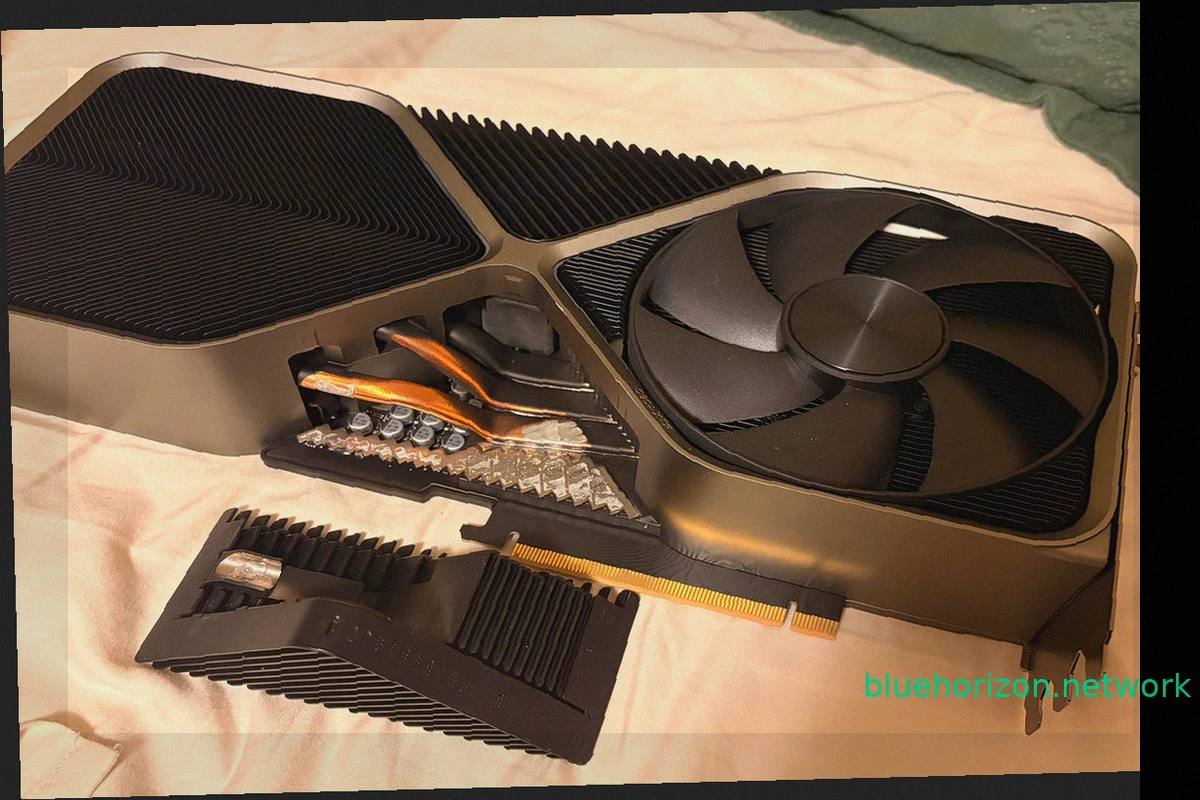
NVIDIA GeForce RTX 4090 Founders Edition Loses Part of Its Heatsink After Three Years
A NVIDIA GeForce RTX 4090 Founders Edition has presented an unusual problem, not with its power connector, but with its heatsink. This incident is unique, as a portion of the graphics card's massive heatsink literally detached while its owner was moving the computer. This wasn't a decorative c

Russian Missiles Strike Infrastructure of 1337x, Second Largest Torrent Tracker, Hitting Piracy
Russian missile attacks have damaged infrastructure belonging to popular torrent trackers like 1337x. Between September 23 and 27, 2026, Russia conducted strikes targeting data centers and communication facilities in Kyiv. These attacks temporarily disrupted internet access for approximately 1
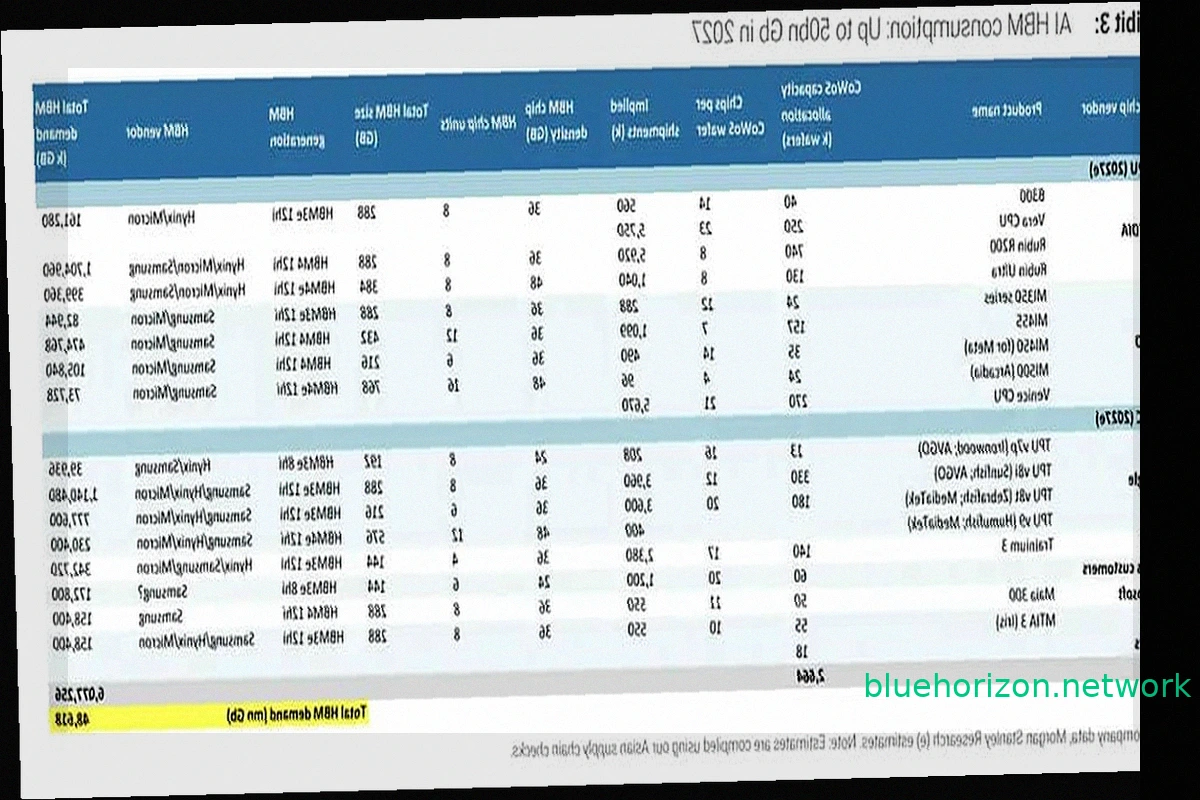
NVIDIA, Google, and AMD Poised to Control 85% of HBM Memory Demand by 2027
The "you'll own nothing and be happy" meme is finding a parallel in hardware, specifically memory. NVIDIA, Google, and AMD are set to command 85.4% of the global High Bandwidth Memory (HBM) demand by 2027, according to Morgan Stanley estimates. These three buyers will largely dictate the pace
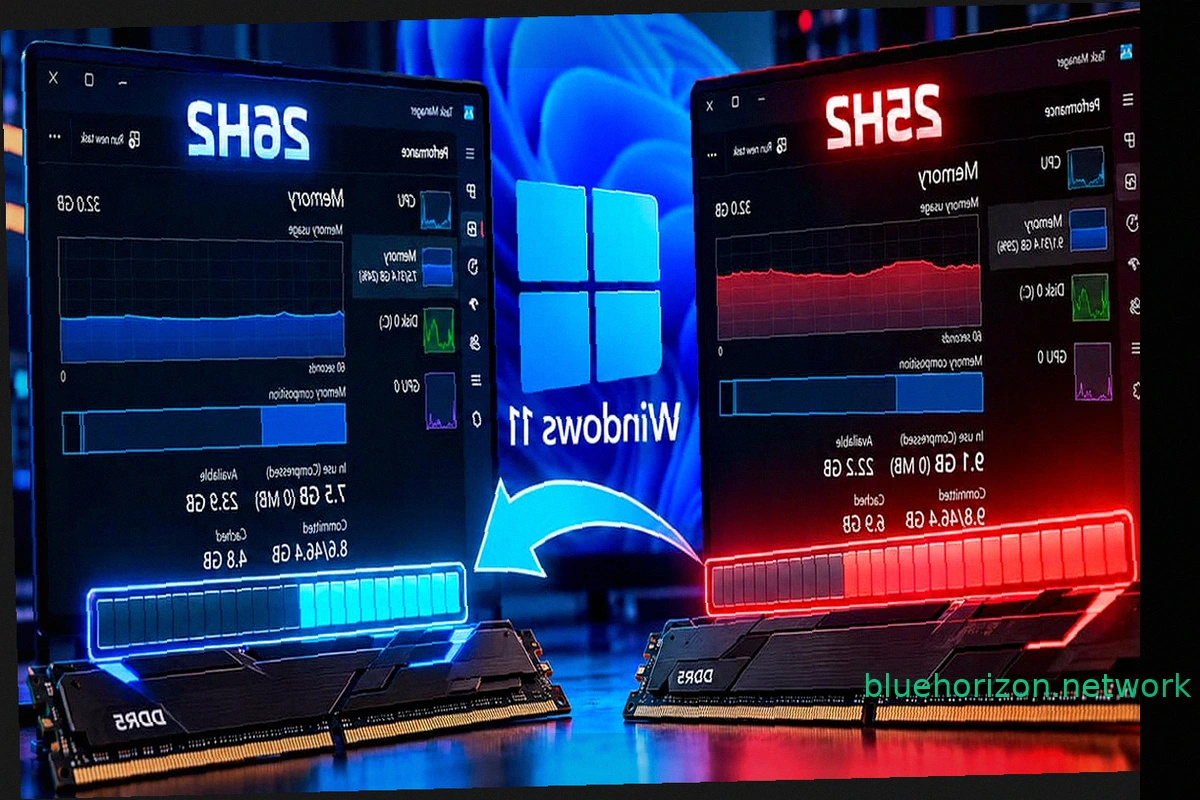
Windows 11 26H2 Reduces RAM Consumption by Up to 2 GB, But 8 GB Machines Still Struggle
Windows 11 26H2 is rolling out optimizations for RAM management. Some users report a noticeable decrease in RAM usage after installing this update, with certain systems showing a reduction of up to 2 GB compared to Windows 11 25H2 upon startup. However, initial findings suggest this improvemen
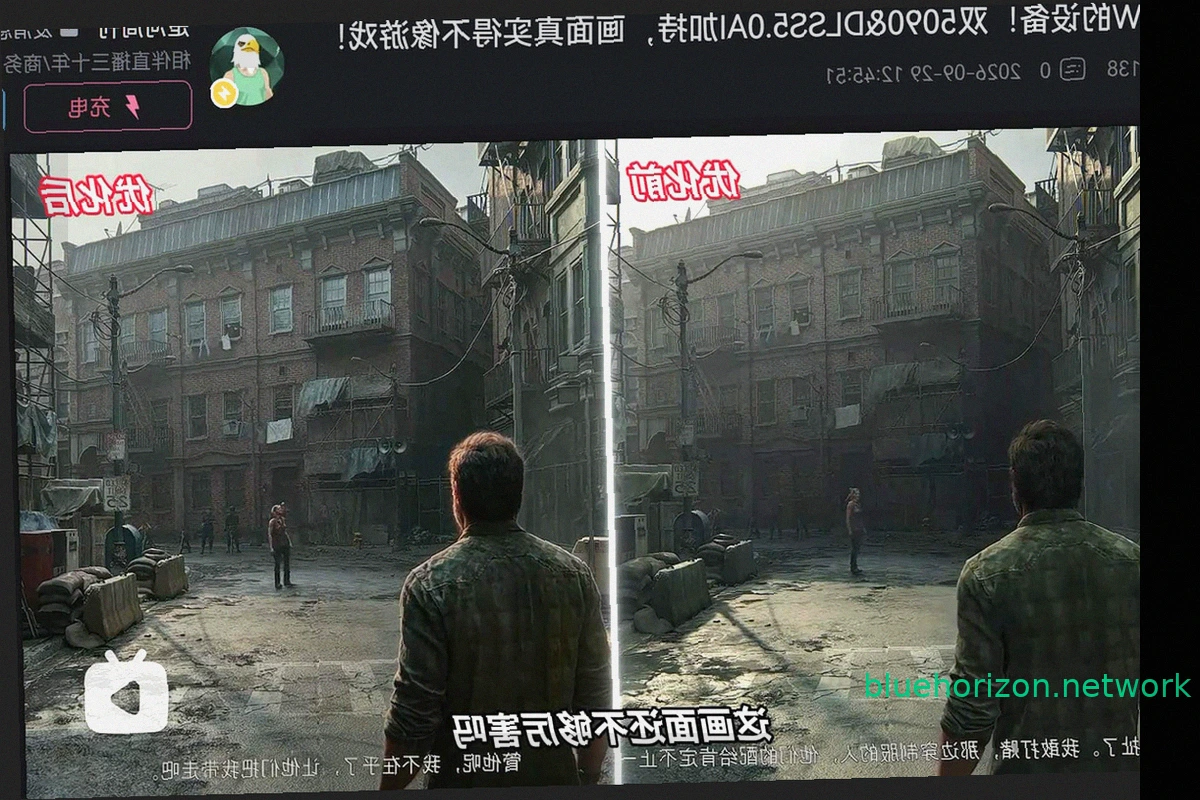
RTX 5090 fails with DLSS 5 after 48 hours for Chinese streamer
NVIDIA's RTX series introduced Tensor Cores, enabling technologies like DLSS. Early DLSS versions offered a noticeable drop in image quality compared to native resolution. DLSS 2 brought significant improvements, and DLSS 3 achieved parity or even superiority over native rendering. DLSS 4 cont