Steam to Show Estimated PC Performance Before Game Purchase
Steam is set to receive a significant new feature that will provide an estimated performance readout, in frames per second (FPS), for your PC before you even purchase a game. This update appears to be a natural progression from the change introduced in March, which began displaying players' hardware specifications within Steam reviews. Previously, when a user reported poor game performance, there was no context regarding their system. Now, with users able to permit Steam to show their hardware information, reviews become much more valuable. You can discern if a user's complaint stems from an underpowered "potato PC" or, conversely, if a user with a high-end machine is struggling, potentially indicating poor game optimization and prompting you to reconsider your purchase.
Indeed, a recent update to the Steam client revealed key clues about the addition of this FPS feature. It points to a function capable of displaying a graph with estimated FPS for a game, based on a specific PC configuration and performance results obtained from other users with similar hardware. This implies that Valve will harness its millions of players to gather crucial performance data for prospective game buyers.
Steam will soon tell you the FPS your PC could achieve before buying your desired game
Valve has already implemented the ability to attach PC specifications to reviews and an option to share anonymized framerate data. Furthermore, the beta explicitly states that this data is stored without being linked to individual accounts and that, at least for now, data collection is primarily focused on devices running SteamOS. This confirms that the data collection pipeline officially exists. However, what doesn't yet officially exist is the user interface that proclaims, "We'll tell you how many FPS you'll get before you buy."
Today, we can confidently confirm that Valve is gathering performance signals and enriching the context of game reviews. What we cannot yet confirm is how this information will be displayed to the user. Will it appear directly on the store page? Will it initially be limited to SteamOS, or will it be broadly available through its Windows application? We know the foundations are already laid; now, Valve merely needs to assemble the various parts to introduce a feature that promises to significantly transform the game-buying experience for players.
If this feature materializes, it would represent a highly relevant improvement for purchasing PC games. The minimum and recommended specifications currently listed on Steam are often too vague. In many cases, they specify hardware but fail to indicate the resolution you'll be playing at, the graphical quality, or the performance you can realistically expect before committing to a purchase. A system based on real-world telemetry could be far more useful, especially considering Steam already boasts an enormous database of repeated and grouped hardware configurations. For instance, the March 2026 Hardware Survey showed Windows 11 present on 66.85% of PCs, of which 40.97% had 16 GB of RAM, and virtually all were coupled with 6 or 8-core CPUs. This high concentration of popular hardware configurations significantly favors the construction of reasonable statistical estimations for common hardware setups.
Fresh materials — Technology News

Google Pixel Devices Hit by Nightmare Bug: September Update Locks Out Some Users
Updating your phone should be a simple process: install, restart, and continue. But imagine completing the update, entering your usual unlock pattern, and the phone not even letting you finish it. Your photos and messages remain, but you're locked out. This is the predicament some Google Pixel
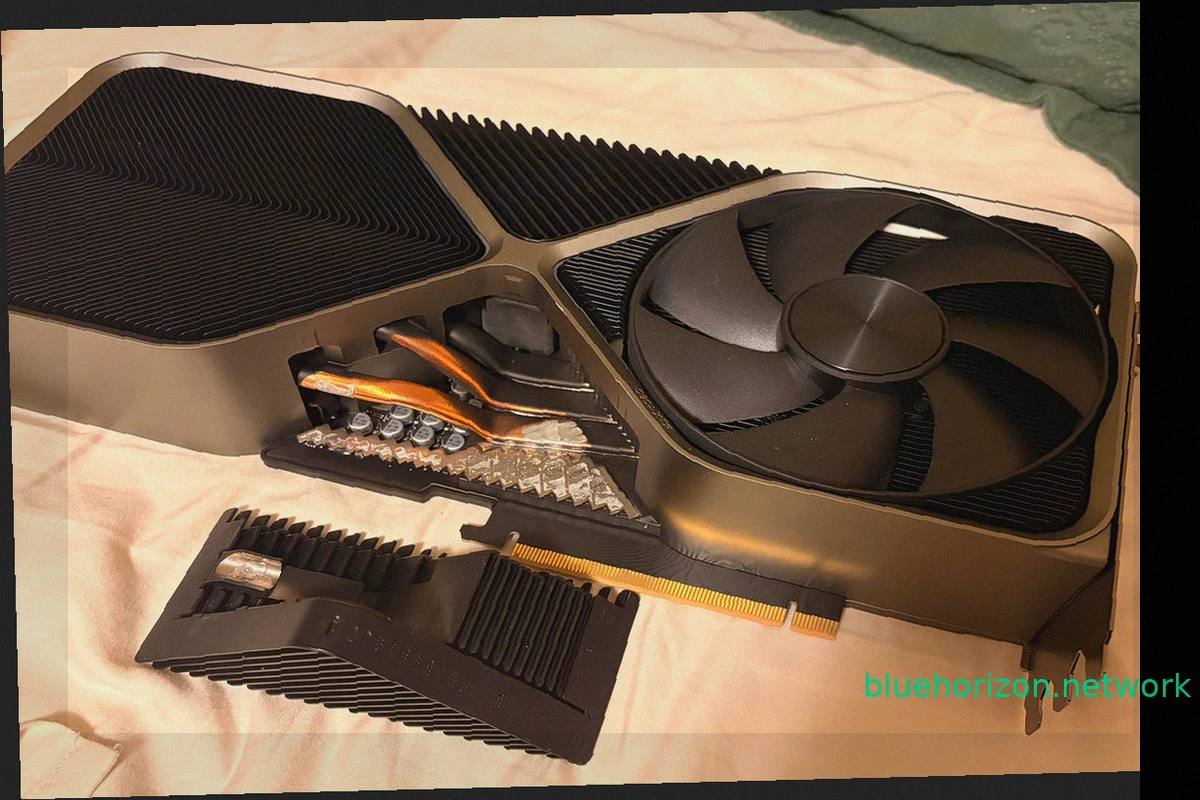
NVIDIA GeForce RTX 4090 Founders Edition Loses Part of Its Heatsink After Three Years
A NVIDIA GeForce RTX 4090 Founders Edition has presented an unusual problem, not with its power connector, but with its heatsink. This incident is unique, as a portion of the graphics card's massive heatsink literally detached while its owner was moving the computer. This wasn't a decorative c

Russian Missiles Strike Infrastructure of 1337x, Second Largest Torrent Tracker, Hitting Piracy
Russian missile attacks have damaged infrastructure belonging to popular torrent trackers like 1337x. Between September 23 and 27, 2026, Russia conducted strikes targeting data centers and communication facilities in Kyiv. These attacks temporarily disrupted internet access for approximately 1
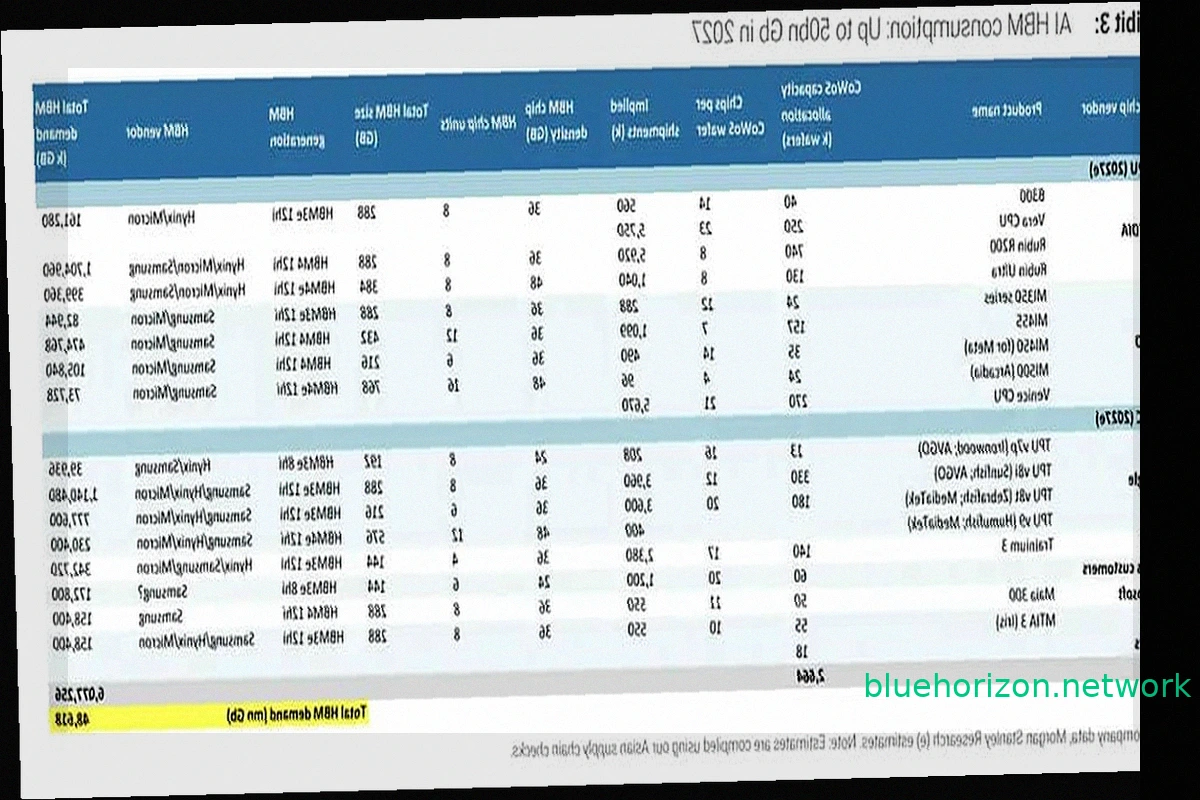
NVIDIA, Google, and AMD Poised to Control 85% of HBM Memory Demand by 2027
The "you'll own nothing and be happy" meme is finding a parallel in hardware, specifically memory. NVIDIA, Google, and AMD are set to command 85.4% of the global High Bandwidth Memory (HBM) demand by 2027, according to Morgan Stanley estimates. These three buyers will largely dictate the pace
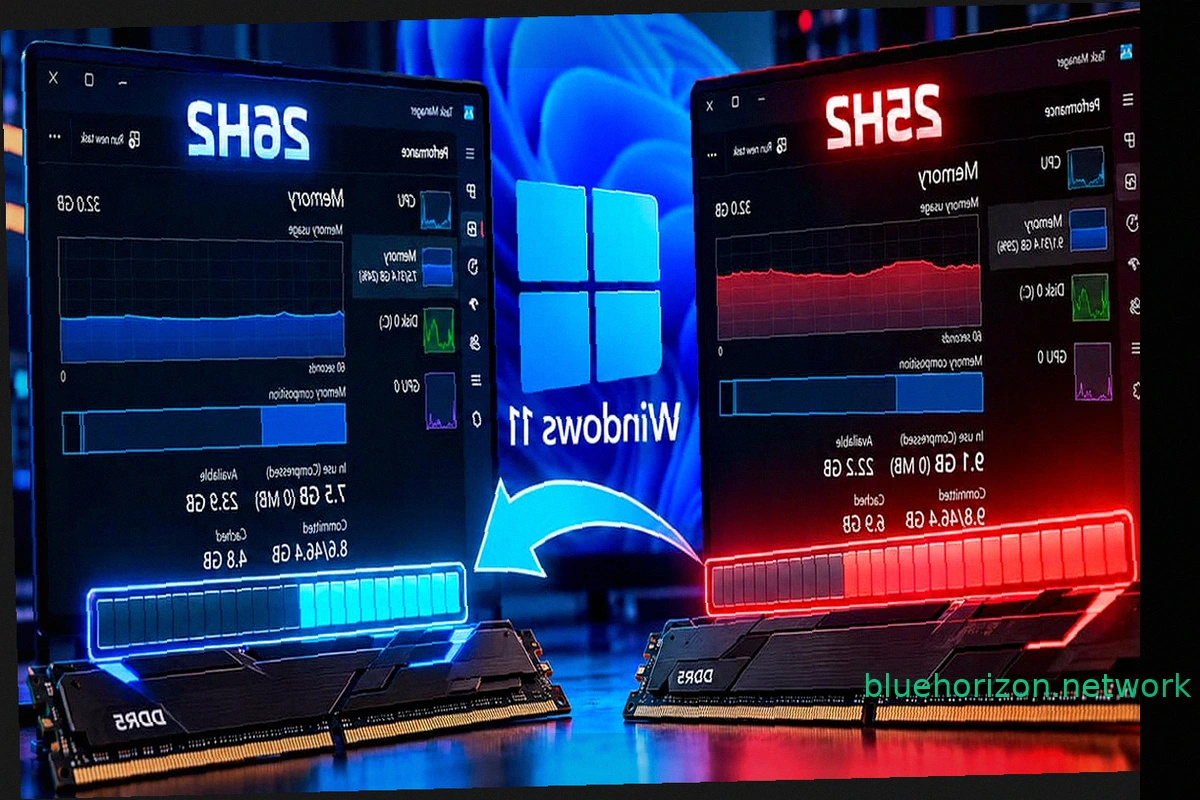
Windows 11 26H2 Reduces RAM Consumption by Up to 2 GB, But 8 GB Machines Still Struggle
Windows 11 26H2 is rolling out optimizations for RAM management. Some users report a noticeable decrease in RAM usage after installing this update, with certain systems showing a reduction of up to 2 GB compared to Windows 11 25H2 upon startup. However, initial findings suggest this improvemen

RTX 5090 fails with DLSS 5 after 48 hours for Chinese streamer
NVIDIA's RTX series introduced Tensor Cores, enabling technologies like DLSS. Early DLSS versions offered a noticeable drop in image quality compared to native resolution. DLSS 2 brought significant improvements, and DLSS 3 achieved parity or even superiority over native rendering. DLSS 4 cont