Super Micro Faces Shareholder Fraud Lawsuit Following AI GPU Smuggling Scandal
Super Micro's narrative takes another dramatic turn, evolving from a serious criminal investigation into a direct legal battle with its own investors. Shareholders have initiated a class-action lawsuit, alleging fraud, after revelations surfaced regarding an elaborate scheme to illegally ship servers equipped with NVIDIA AI GPUs to China. This development drastically reshapes the understanding of the significant growth Super Micro had reported amidst the booming artificial intelligence sector. The question arises: why would the company's own shareholders file a lawsuit when a criminal process is already underway? The answer lies in the scope, which extends far beyond the initial charges.
Following an already complex situation involving arrests and accusations of hardware smuggling, the focus has now shifted to the business's overall credibility and the market's confidence in the financial figures the company has publicly presented.
Shareholders Accuse Super Micro of Concealing Sensitive Risk Information
According to reports from Reuters, the collective lawsuit asserts that Super Micro deliberately concealed its true market exposure in China and failed to adequately inform investors about the substantial risks associated with circumventing U.S. export restrictions. This issue is particularly critical given the central role of AI GPU servers in the modern data center industry, a sector currently generating astonishing revenues.
The genesis of this legal challenge traces back to the same case that was previously brought to light: an alleged operation that facilitated the movement of approximately $2.5 billion worth of hardware between 2024 and 2025. This was reportedly achieved through indirect shipping routes across Asia, involving various tactics such as shipment manipulation and triangulation to evade regulatory controls. These actions eventually led to criminal charges being filed against several individuals associated with the company.
The shareholders' lawsuit against Super Micro is, understandably, not solely based on these allegations, but also on the severe repercussions suffered by the company's stock, which at one point plunged by nearly 30% in market value.
Multi-Billion Dollar Revenue Stream Under Scrutiny
This is where the situation becomes profoundly complicated, as reported by Tom’s Hardware. Investors claim that a substantial portion of Super Micro's business was dependent on these questionable sales, potentially accounting for over 16% of its 2024 revenue. If substantiated, this figure would fundamentally alter the perception and valuation of the company's reported growth during the intense AI boom.
The market reacted decisively, erasing over $6 billion in market capitalization within mere days—a clear indicator that the problem extends beyond legal ramifications to a deep erosion of trust in Super Micro's core business model. Moreover, this situation inadvertently brings into question NVIDIA's systems for tracking its high-value hardware and even raises broader implications for government administrations.
Super Micro maintains its stance that it is not facing criminal charges and attributes the illicit activities to individual employees who acted in violation of company policies. The company also states it is fully cooperating with relevant authorities. Nevertheless, the spotlight remains firmly on how this period of significant growth was achieved and to what extent it relied upon a demand source that, by all legal standards, should not have existed.
Ultimately, beyond the immediate issues concerning Super Micro, an unsettling question lingers for the entire technology sector: if a portion of the artificial intelligence surge has been propelled by illicit, parallel channels, the concern isn't just about who might be the first to face consequences, but who could be next. Consequently, the shareholders' decision to file this lawsuit against Super Micro is well-founded, and now the courts will undertake the crucial task of thoroughly investigating the precise details—what, who, how, and when—of the illegal NVIDIA hardware shipments.
Fresh materials — Technology News

Google Pixel Devices Hit by Nightmare Bug: September Update Locks Out Some Users
Updating your phone should be a simple process: install, restart, and continue. But imagine completing the update, entering your usual unlock pattern, and the phone not even letting you finish it. Your photos and messages remain, but you're locked out. This is the predicament some Google Pixel

NVIDIA GeForce RTX 4090 Founders Edition Loses Part of Its Heatsink After Three Years
A NVIDIA GeForce RTX 4090 Founders Edition has presented an unusual problem, not with its power connector, but with its heatsink. This incident is unique, as a portion of the graphics card's massive heatsink literally detached while its owner was moving the computer. This wasn't a decorative c

Russian Missiles Strike Infrastructure of 1337x, Second Largest Torrent Tracker, Hitting Piracy
Russian missile attacks have damaged infrastructure belonging to popular torrent trackers like 1337x. Between September 23 and 27, 2026, Russia conducted strikes targeting data centers and communication facilities in Kyiv. These attacks temporarily disrupted internet access for approximately 1
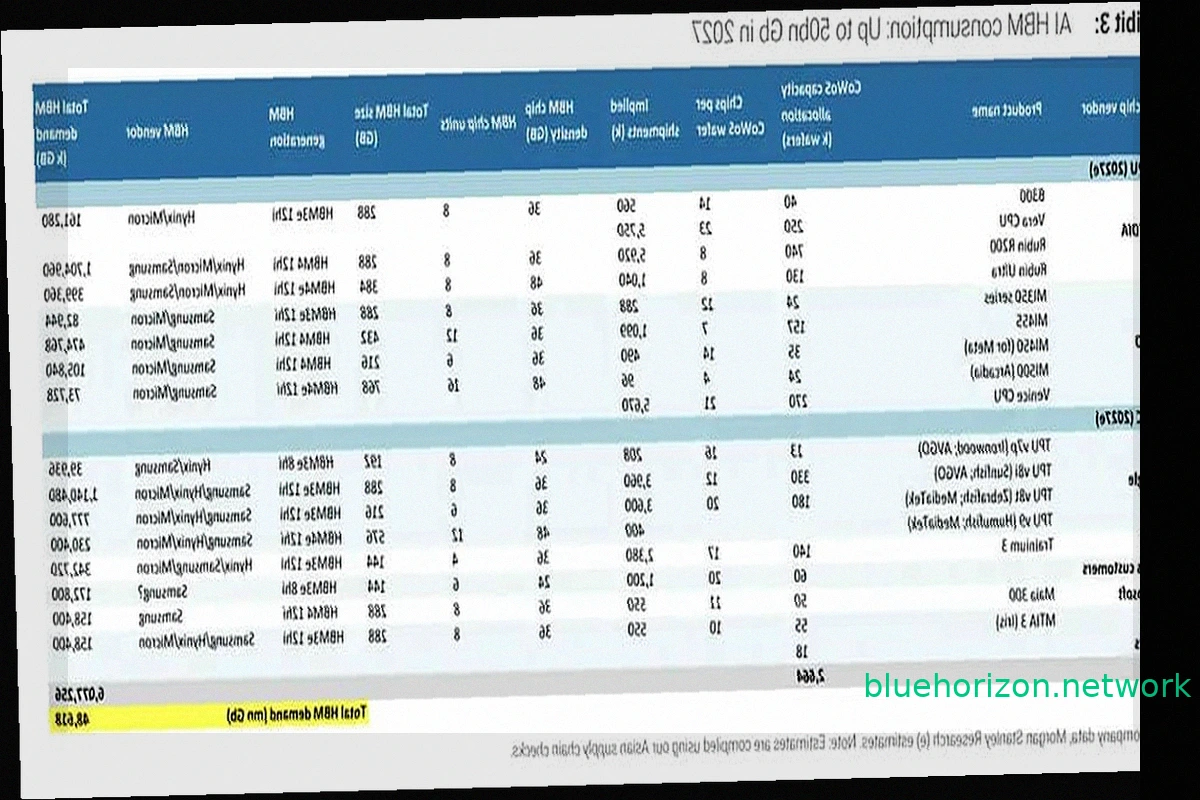
NVIDIA, Google, and AMD Poised to Control 85% of HBM Memory Demand by 2027
The "you'll own nothing and be happy" meme is finding a parallel in hardware, specifically memory. NVIDIA, Google, and AMD are set to command 85.4% of the global High Bandwidth Memory (HBM) demand by 2027, according to Morgan Stanley estimates. These three buyers will largely dictate the pace
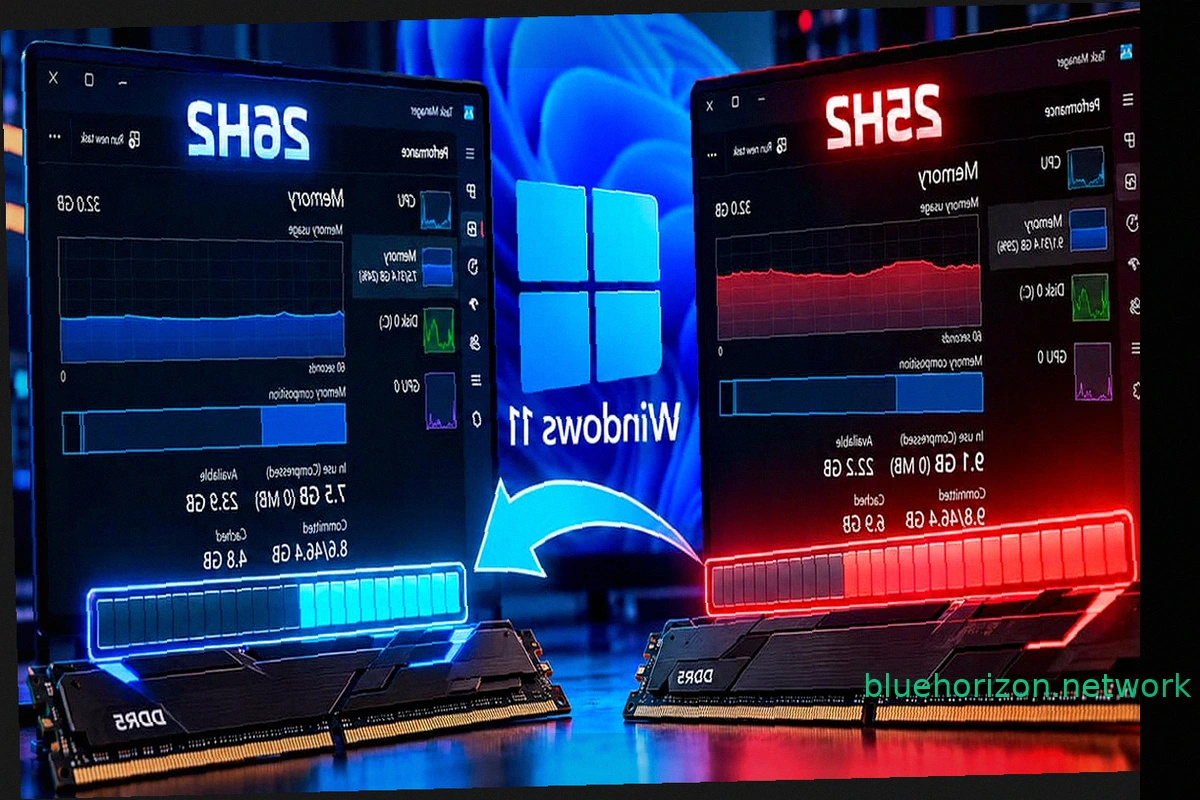
Windows 11 26H2 Reduces RAM Consumption by Up to 2 GB, But 8 GB Machines Still Struggle
Windows 11 26H2 is rolling out optimizations for RAM management. Some users report a noticeable decrease in RAM usage after installing this update, with certain systems showing a reduction of up to 2 GB compared to Windows 11 25H2 upon startup. However, initial findings suggest this improvemen

RTX 5090 fails with DLSS 5 after 48 hours for Chinese streamer
NVIDIA's RTX series introduced Tensor Cores, enabling technologies like DLSS. Early DLSS versions offered a noticeable drop in image quality compared to native resolution. DLSS 2 brought significant improvements, and DLSS 3 achieved parity or even superiority over native rendering. DLSS 4 cont