Survey Reveals 71% of Gamers Oppose NVIDIA DLSS 5
Video games increasingly demand more powerful PC hardware, and current-generation consoles are visibly struggling to keep up. Comparing console versions, like Xbox Series X's Crimson Desert, to their PC counterparts reveals clear compromises in visual quality. This trend, coupled with rising PC component costs and ever-growing game requirements, has made gamers increasingly reliant on upscaling technologies such as DLSS, FSR, and XeSS. However, NVIDIA has recently disappointed its user base. Expectations for DLSS 5 centered on significant improvements in upscaling, but what was delivered has been largely unpopular, with only a small fraction of players expressing approval.
The initial release of DLSS wasn't well-received by the gaming community; it was a nascent technology that didn't immediately present a superior alternative to existing solutions. Nevertheless, as DLSS evolved and improved, many who initially dismissed it eventually adopted the technology. Today, it's fair to say that the majority of gamers support the use of AI-powered upscaling. A significant factor in this widespread acceptance is the noticeable decline in game optimization, forcing players to rely on such technologies to achieve acceptable frame rates on PC.
Survey Indicates Over 70% of Gamers Oppose DLSS 5
While DLSS 4.5 is the latest widely available version, NVIDIA quickly unveiled DLSS 5, presenting a technology that deviates significantly from traditional upscaling. DLSS 5 alters various graphical elements, including character and environment design, as well as lighting. While improvements to lighting were somewhat appreciated, the changes to character models have been widely criticized. A PC Gamer survey confirms this discontent, revealing that 71% of players are against DLSS 5.
Breaking down the opposition, 37% of respondents expressed ethical concerns, stating they would never use DLSS 5 regardless of its visual performance. Another 34% found the visual quality of DLSS 5 unacceptable and would likewise refuse to use it. On the other end of the spectrum, a mere 10% (representing 468 out of over 4,500 total votes) were fully convinced and in favor of the technology.
Breakdown of the Remaining 29%: Conditional Acceptance and Full Support
Within the remaining group, another 10% (453 votes) indicated they would use DLSS 5 only if they perceived a graphical improvement to their liking. This conditional acceptance highlights the subjective nature of the 'enhancements,' as many have criticized the changes, often likening them to an AI filter applied to character faces. Finally, 9% of respondents stated they would use DLSS 5 selectively, only in specific games where its implementation yields favorable results, consistent with NVIDIA's own demos showing varied outcomes across different titles.
Indeed, NVIDIA's promotional videos for DLSS 5 generally received negative feedback. The Zorah demo was the most favored, while titles like Resident Evil Requiem and EA SPORTS FC garnered the lowest approval, with less than 15% likes on YouTube. Beyond visual quality, NVIDIA faces a more fundamental challenge: for DLSS 5 to achieve widespread adoption, the company must significantly lower its hardware requirements. Currently, the technology appears to demand GPUs akin to an RTX 5090, effectively limiting its accessibility to a mere 1% or less of the gaming population.
Fresh materials — Technology News

Google Pixel Devices Hit by Nightmare Bug: September Update Locks Out Some Users
Updating your phone should be a simple process: install, restart, and continue. But imagine completing the update, entering your usual unlock pattern, and the phone not even letting you finish it. Your photos and messages remain, but you're locked out. This is the predicament some Google Pixel
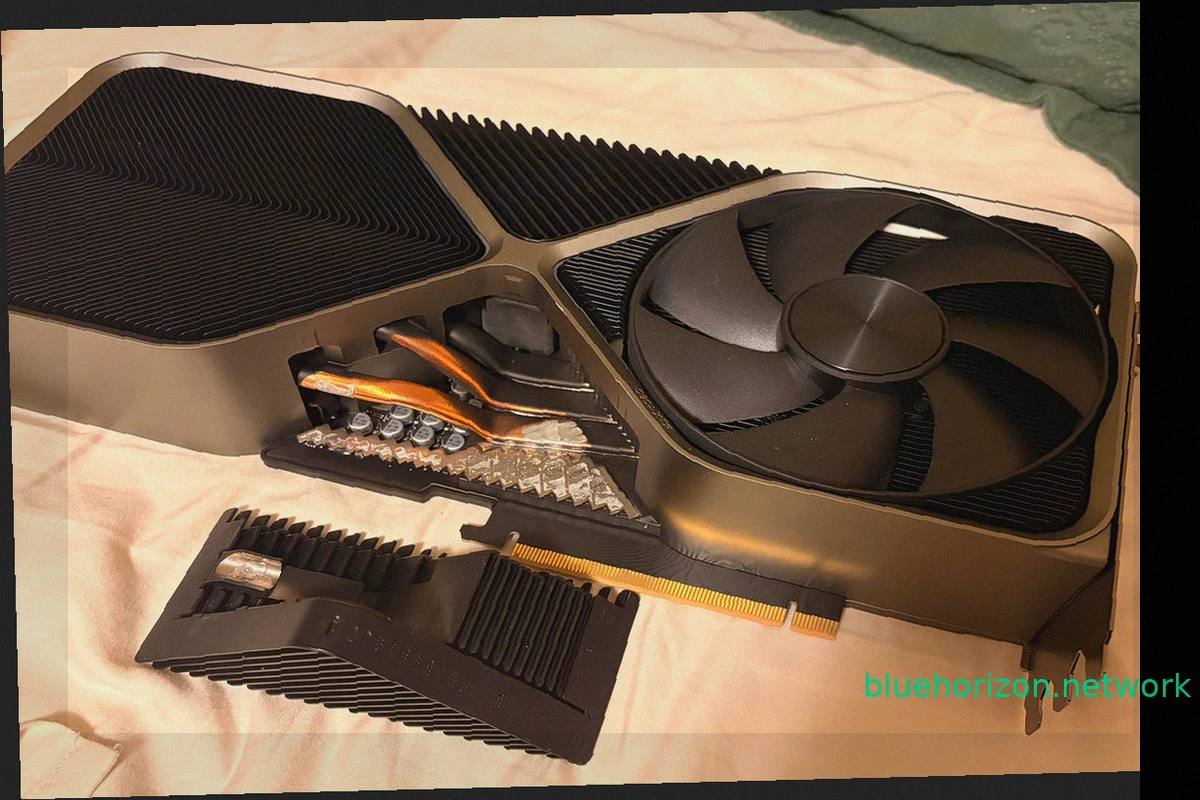
NVIDIA GeForce RTX 4090 Founders Edition Loses Part of Its Heatsink After Three Years
A NVIDIA GeForce RTX 4090 Founders Edition has presented an unusual problem, not with its power connector, but with its heatsink. This incident is unique, as a portion of the graphics card's massive heatsink literally detached while its owner was moving the computer. This wasn't a decorative c

Russian Missiles Strike Infrastructure of 1337x, Second Largest Torrent Tracker, Hitting Piracy
Russian missile attacks have damaged infrastructure belonging to popular torrent trackers like 1337x. Between September 23 and 27, 2026, Russia conducted strikes targeting data centers and communication facilities in Kyiv. These attacks temporarily disrupted internet access for approximately 1
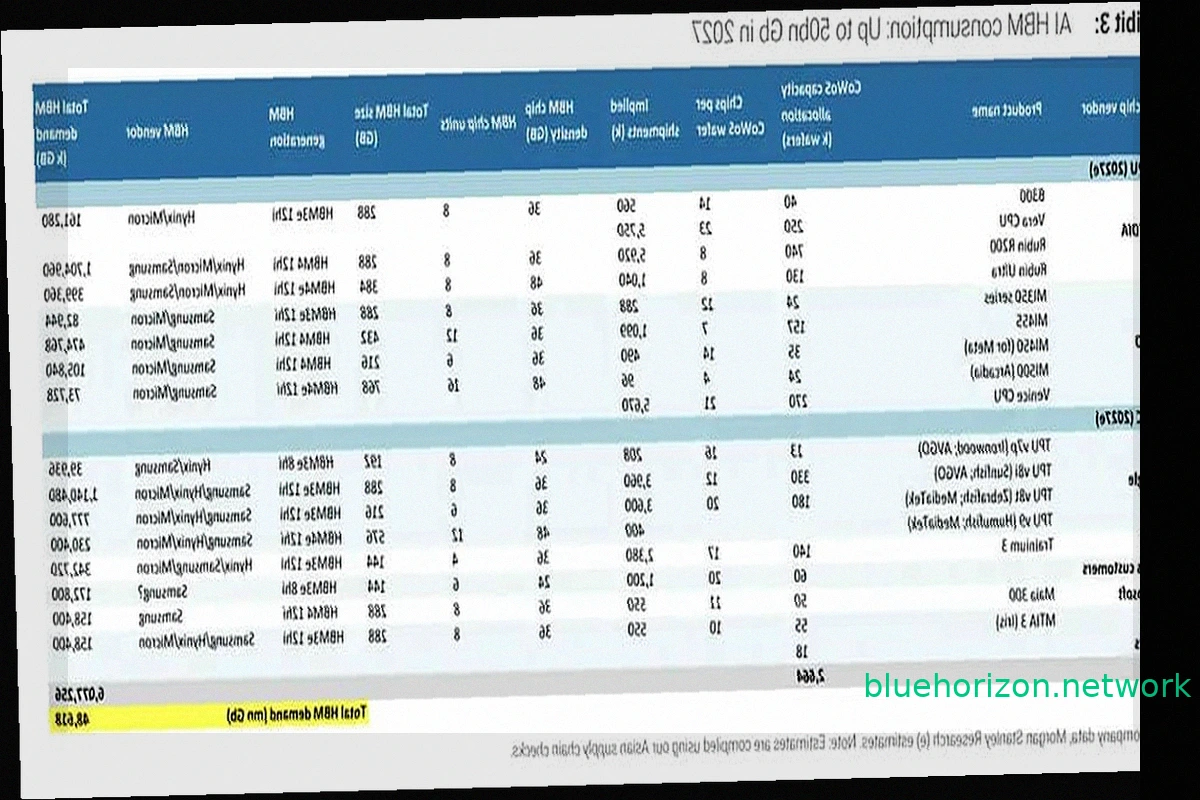
NVIDIA, Google, and AMD Poised to Control 85% of HBM Memory Demand by 2027
The "you'll own nothing and be happy" meme is finding a parallel in hardware, specifically memory. NVIDIA, Google, and AMD are set to command 85.4% of the global High Bandwidth Memory (HBM) demand by 2027, according to Morgan Stanley estimates. These three buyers will largely dictate the pace
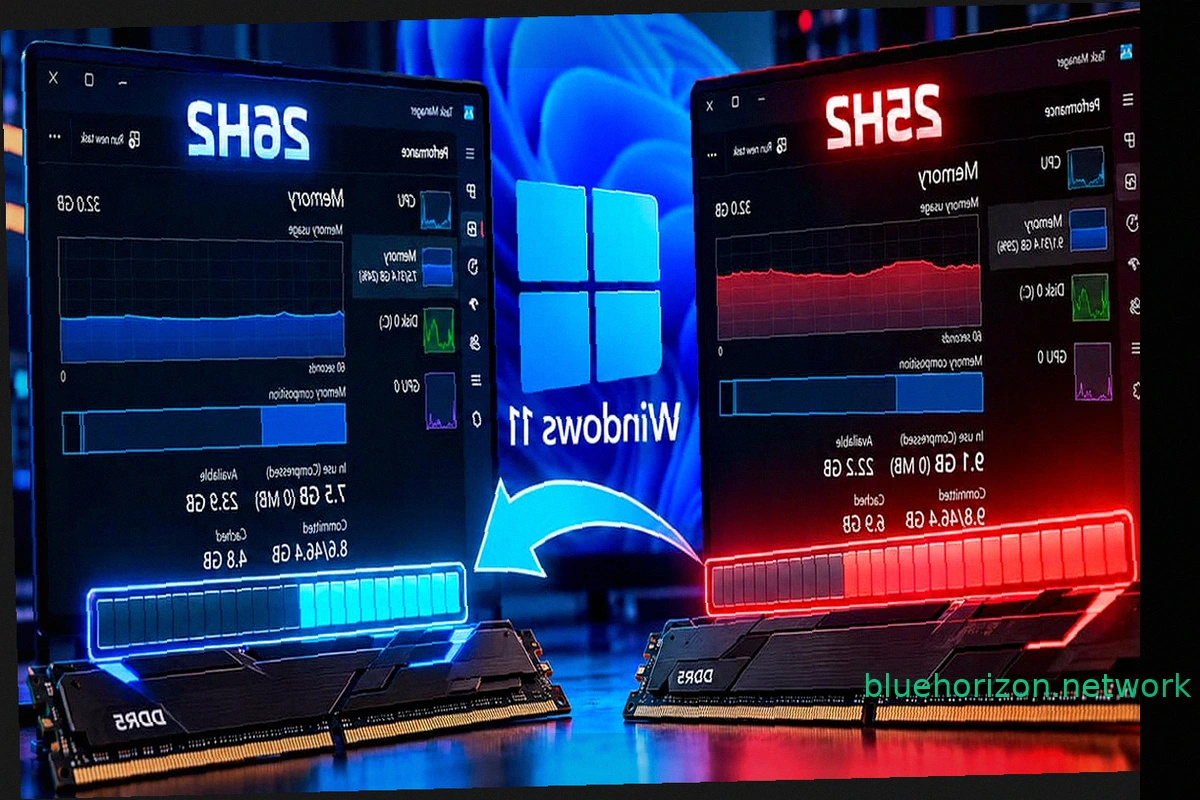
Windows 11 26H2 Reduces RAM Consumption by Up to 2 GB, But 8 GB Machines Still Struggle
Windows 11 26H2 is rolling out optimizations for RAM management. Some users report a noticeable decrease in RAM usage after installing this update, with certain systems showing a reduction of up to 2 GB compared to Windows 11 25H2 upon startup. However, initial findings suggest this improvemen

RTX 5090 fails with DLSS 5 after 48 hours for Chinese streamer
NVIDIA's RTX series introduced Tensor Cores, enabling technologies like DLSS. Early DLSS versions offered a noticeable drop in image quality compared to native resolution. DLSS 2 brought significant improvements, and DLSS 3 achieved parity or even superiority over native rendering. DLSS 4 cont