SUSE Linux for Sale: EQT Seeks Buyer with Valuation Up to $6 Billion
Linux, an open-source operating system with over 30 years of history, has spawned numerous distributions offering diverse functionalities, tools, and customization options. Its free and open nature has attracted millions of users globally. Now, SUSE, one of the oldest and most recognized Linux distributions, is up for sale, generating anticipation about its future owner.
SUSE Linux's journey began in March 1994 with the S.u.S.E Linux 1.0 version, whose acronym stood for 'Software und System-Entwicklung' (Software and System Development). Created by German students, this distribution distinguished itself with its stability, ease of use, and configuration, making it ideal for business environments. Over the years, SUSE has offered versions like openSUSE for personal use and SUSE Linux Enterprise (SLES) for the corporate sector.
EQT Considers Selling SUSE Linux After Eight Years of Ownership
Although Linux remains a minority operating system, its popularity has grown, driven by initiatives like SteamOS and improved drivers, leading to increasing adoption among gamers (projected to reach 3% market share on Steam by the end of 2025). Turning back to SUSE, its current owner, financial investor EQT, is exploring options for its sale. This process is in its early stages, seeking an offer it deems attractive.
EQT Partners acquired SUSE in 2018 for $2.5 billion, allowing it to operate autonomously. Before EQT, SUSE was purchased by Micro Focus in 2014, and prior to that in 2004, by Novell, with the goal of directly competing with Red Hat.
Current Valuation of SUSE Exceeds €5 Billion
In 2021, SUSE went public with a valuation exceeding $5 billion. However, it delisted in 2023, with EQT valuing it at $2.72 billion. Three years later, sources like Reuters indicate that EQT is now valuing it at $6 billion, which is approximately €5.2 billion.
A sale at this price would double its value at the time of delisting. Currently, the company generates revenues of around $800 million, with an EBITDA of approximately $250 million. This implies that a sale at $6 billion would represent about 20 times its EBITDA.
Fresh materials — Technology News
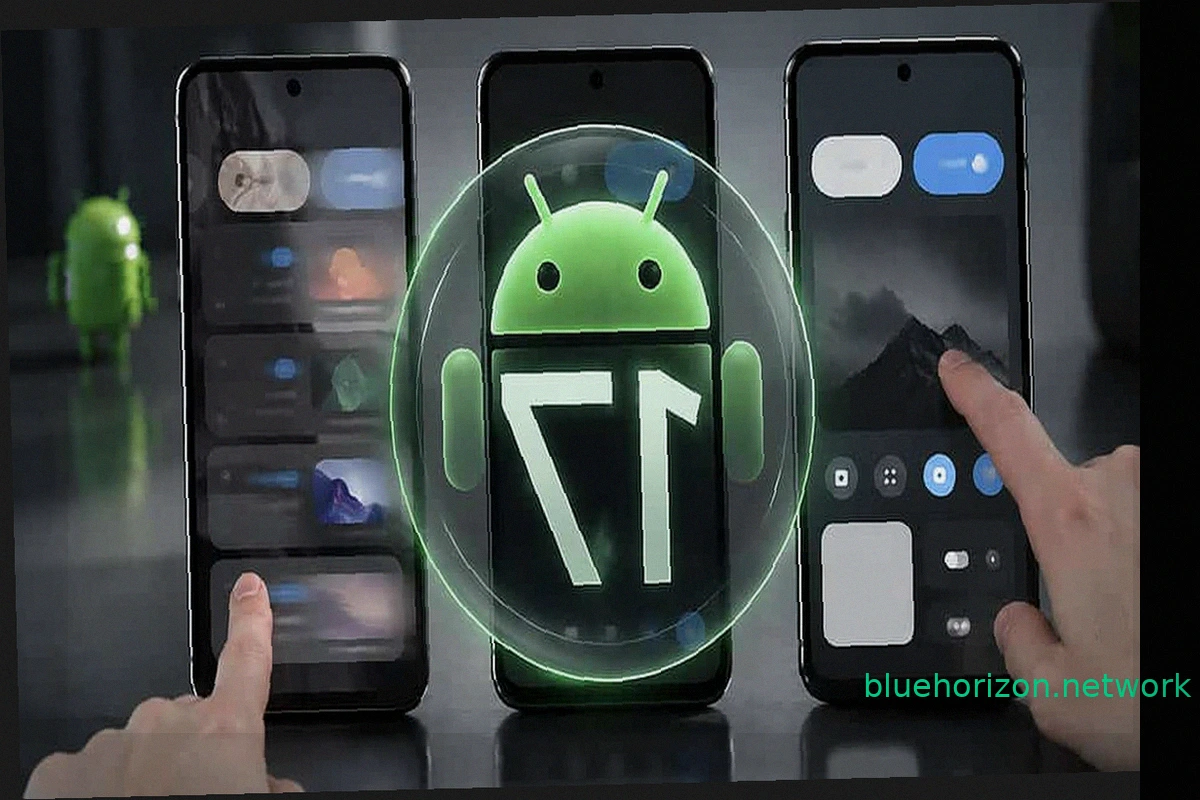
Google Pixel Devices Hit by Nightmare Bug: September Update Locks Out Some Users
Updating your phone should be a simple process: install, restart, and continue. But imagine completing the update, entering your usual unlock pattern, and the phone not even letting you finish it. Your photos and messages remain, but you're locked out. This is the predicament some Google Pixel
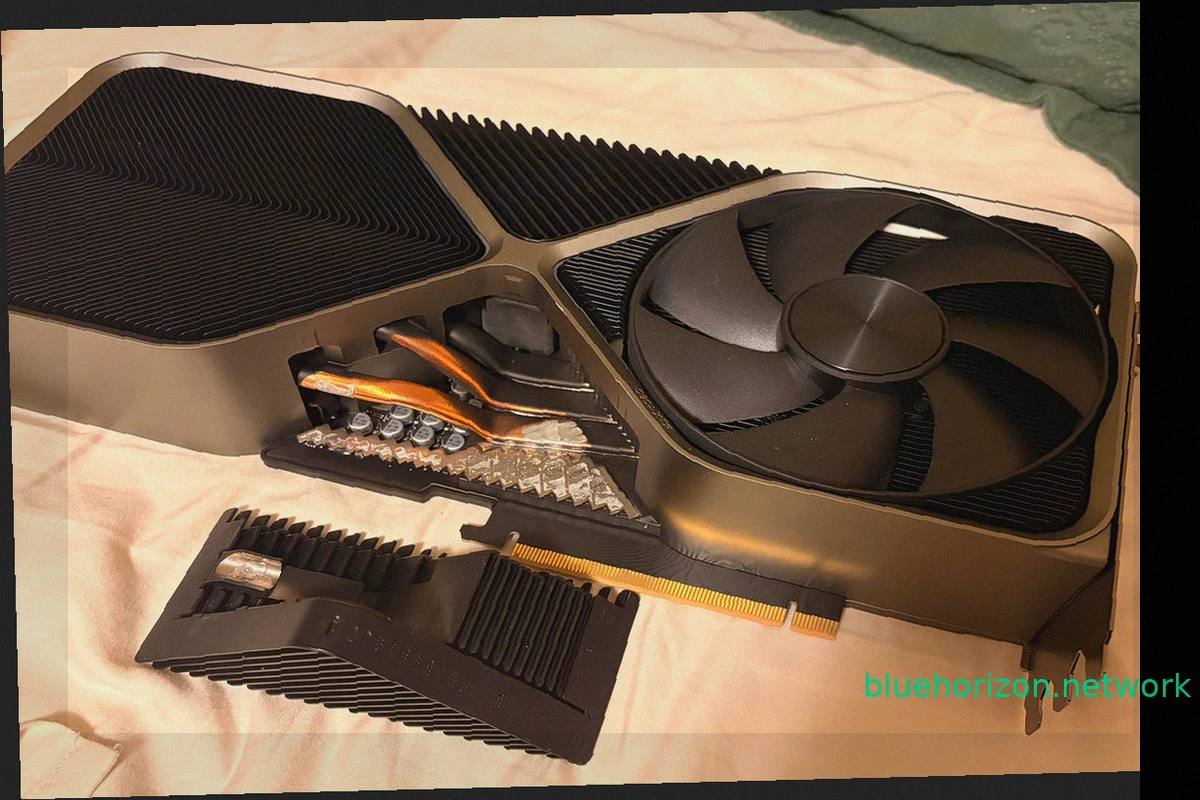
NVIDIA GeForce RTX 4090 Founders Edition Loses Part of Its Heatsink After Three Years
A NVIDIA GeForce RTX 4090 Founders Edition has presented an unusual problem, not with its power connector, but with its heatsink. This incident is unique, as a portion of the graphics card's massive heatsink literally detached while its owner was moving the computer. This wasn't a decorative c

Russian Missiles Strike Infrastructure of 1337x, Second Largest Torrent Tracker, Hitting Piracy
Russian missile attacks have damaged infrastructure belonging to popular torrent trackers like 1337x. Between September 23 and 27, 2026, Russia conducted strikes targeting data centers and communication facilities in Kyiv. These attacks temporarily disrupted internet access for approximately 1
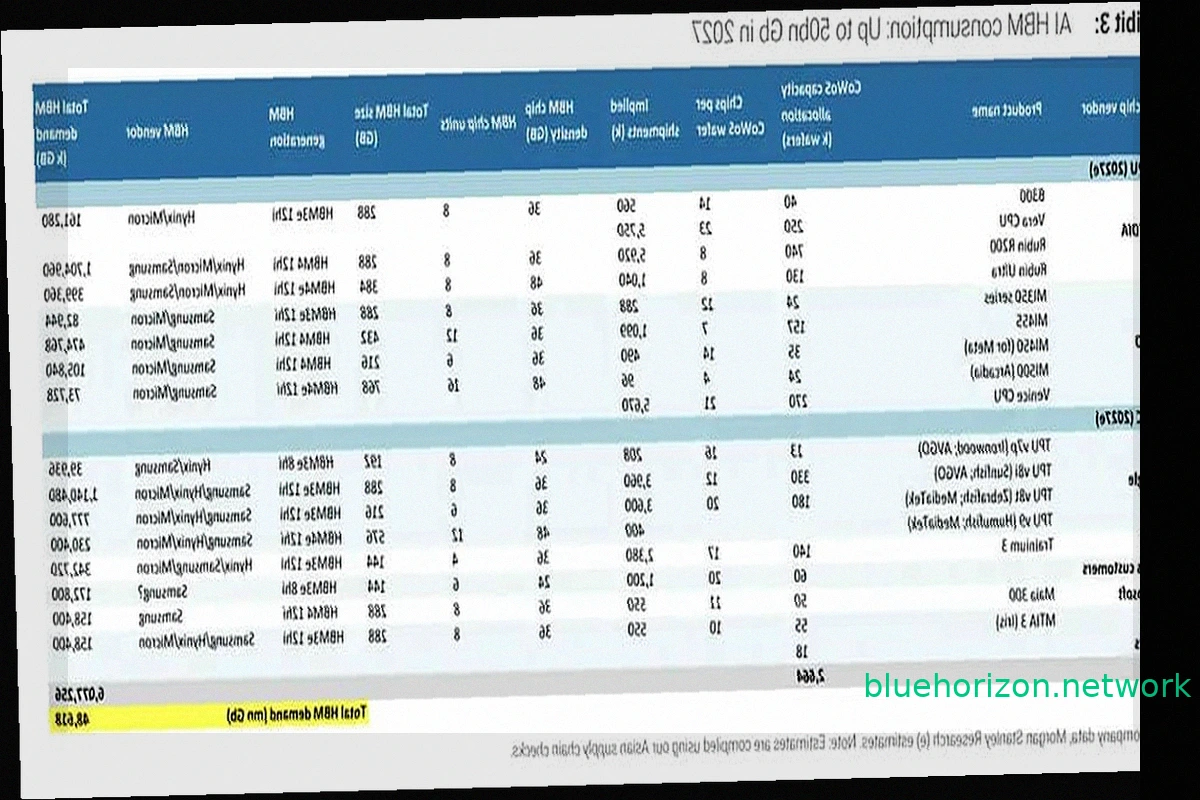
NVIDIA, Google, and AMD Poised to Control 85% of HBM Memory Demand by 2027
The "you'll own nothing and be happy" meme is finding a parallel in hardware, specifically memory. NVIDIA, Google, and AMD are set to command 85.4% of the global High Bandwidth Memory (HBM) demand by 2027, according to Morgan Stanley estimates. These three buyers will largely dictate the pace
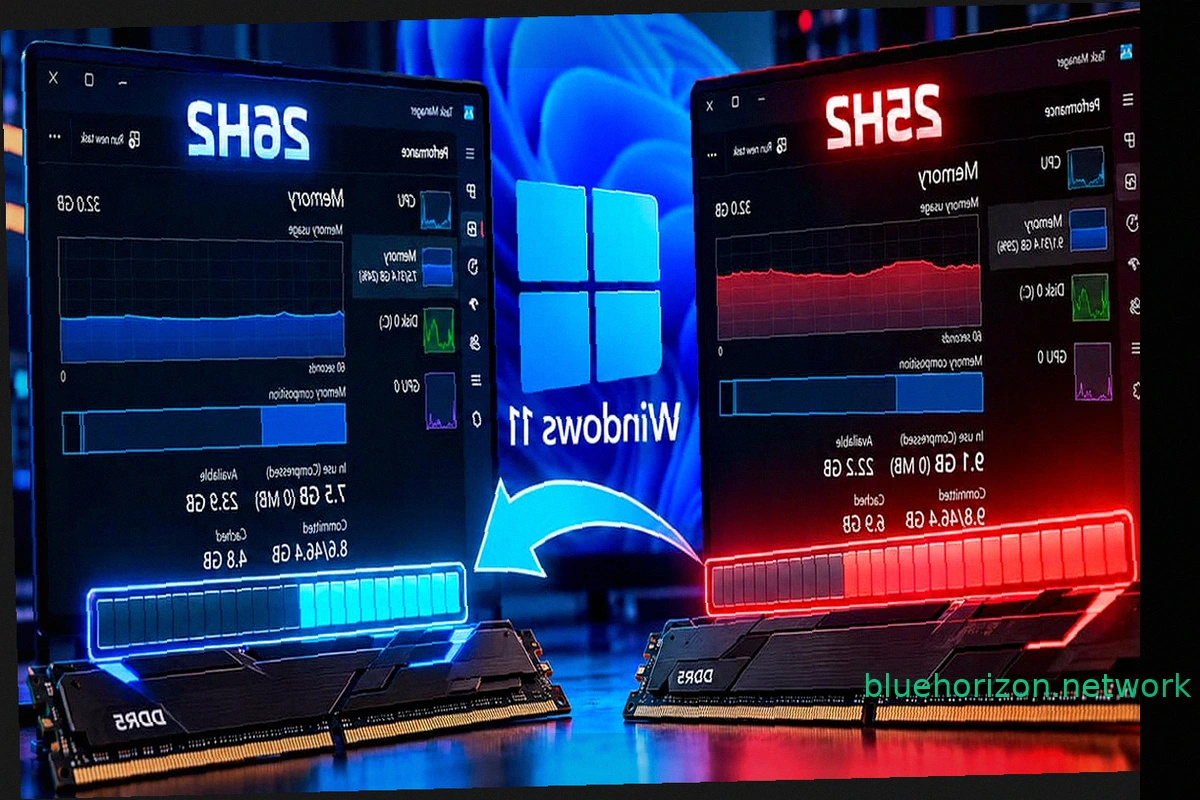
Windows 11 26H2 Reduces RAM Consumption by Up to 2 GB, But 8 GB Machines Still Struggle
Windows 11 26H2 is rolling out optimizations for RAM management. Some users report a noticeable decrease in RAM usage after installing this update, with certain systems showing a reduction of up to 2 GB compared to Windows 11 25H2 upon startup. However, initial findings suggest this improvemen

RTX 5090 fails with DLSS 5 after 48 hours for Chinese streamer
NVIDIA's RTX series introduced Tensor Cores, enabling technologies like DLSS. Early DLSS versions offered a noticeable drop in image quality compared to native resolution. DLSS 2 brought significant improvements, and DLSS 3 achieved parity or even superiority over native rendering. DLSS 4 cont