The Tech Industry Retreats from Affordable PCs to Mitigate Losses
As previously indicated, numerous companies are discontinuing both the manufacturing and sale of budget-friendly hardware, including affordable personal computers. This shift will gradually eliminate the option to purchase a desktop PC, Mini-PC, or laptop priced below the $500 or €500 threshold. Furthermore, this market segment is projected to experience a global decline of 28% by 2026, while devices priced above $900 or €999 are expected to maintain, or even show modest growth. Consequently, this higher price point will become the new average.
However, a move towards more expensive hardware will not necessarily guarantee a better product. Due to widespread price increases across all hardware components, consumers may find themselves paying a premium for what was once considered 'bad' and cheap, now merely overpriced and still substandard. For instance, a device that previously cost €500 might now retail for €900. This trend is particularly evident in the laptop market, where it's increasingly common to find current models equipped with processors launched five years ago. Companies are struggling to find the optimal component mix to create marketable products.
Rising Costs of RAM, SSD, and CPUs Make Affordable PC Manufacturing Unprofitable

According to analyst firm TrendForce, if brands were to maintain their current profit margins, a mid-range laptop that once cost around €900 could now see its price increase by nearly 40%. This surge is primarily because RAM, SSDs, and CPUs now constitute a significantly larger portion of a system's manufacturing cost. The core issue is a bottleneck in memory and storage, exacerbated by the booming demand for AI in data centers. Additionally, CPUs have regained prominence amidst the AI frenzy. Consequently, manufacturers like AMD and Intel are prioritizing the production of server-grade chips over consumer-grade chips, which yield significantly lower profit margins.
TrendForce further notes that Intel already increased prices for certain entry-level and older-generation CPUs by over 15% in February. Another price hike followed in March, and Intel is set to raise CPU prices again in May. Intel has attributed its supply challenges partly to the robust demand for data center and server chips driven by the AI boom. This scenario means not only is less affordable memory available, but there's also increased pressure on processors that would typically be used in budget-friendly devices.
This situation disproportionately affects affordable computers, including those intended for students, office work, basic consumption, and by extension, much of the hardware purchased primarily based on price. Reuters had already forecasted in January 2026 that the impact would be most severe for manufacturers of low- and mid-range devices. It quoted Intel, stating that larger manufacturers could secure some additional memory, while smaller ones would face direct challenges in assembling their products. Omdia also highlights that Chromebooks and the educational sector are particularly vulnerable due to their low profitability and lower priority in component allocation. Therefore, while hardware will still be available, it will no longer come at an accessible price point.
Fresh materials — Technology News

Google Pixel Devices Hit by Nightmare Bug: September Update Locks Out Some Users
Updating your phone should be a simple process: install, restart, and continue. But imagine completing the update, entering your usual unlock pattern, and the phone not even letting you finish it. Your photos and messages remain, but you're locked out. This is the predicament some Google Pixel
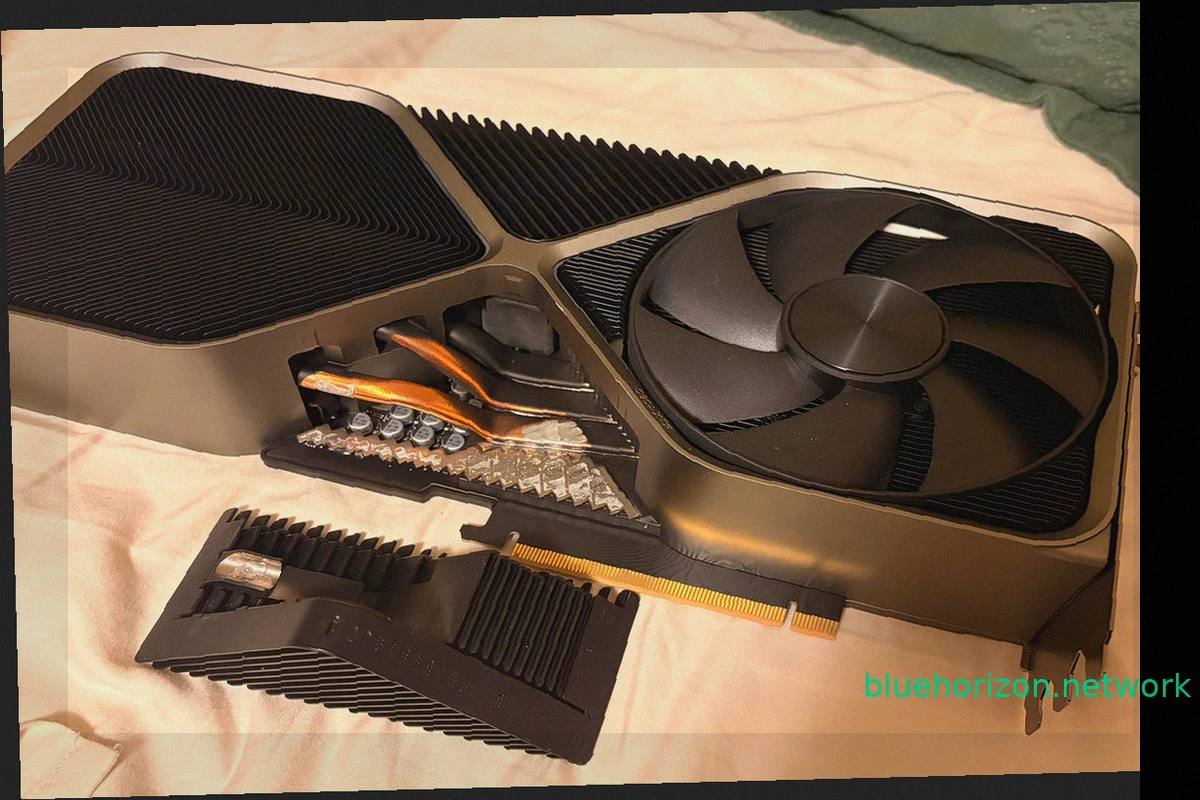
NVIDIA GeForce RTX 4090 Founders Edition Loses Part of Its Heatsink After Three Years
A NVIDIA GeForce RTX 4090 Founders Edition has presented an unusual problem, not with its power connector, but with its heatsink. This incident is unique, as a portion of the graphics card's massive heatsink literally detached while its owner was moving the computer. This wasn't a decorative c

Russian Missiles Strike Infrastructure of 1337x, Second Largest Torrent Tracker, Hitting Piracy
Russian missile attacks have damaged infrastructure belonging to popular torrent trackers like 1337x. Between September 23 and 27, 2026, Russia conducted strikes targeting data centers and communication facilities in Kyiv. These attacks temporarily disrupted internet access for approximately 1
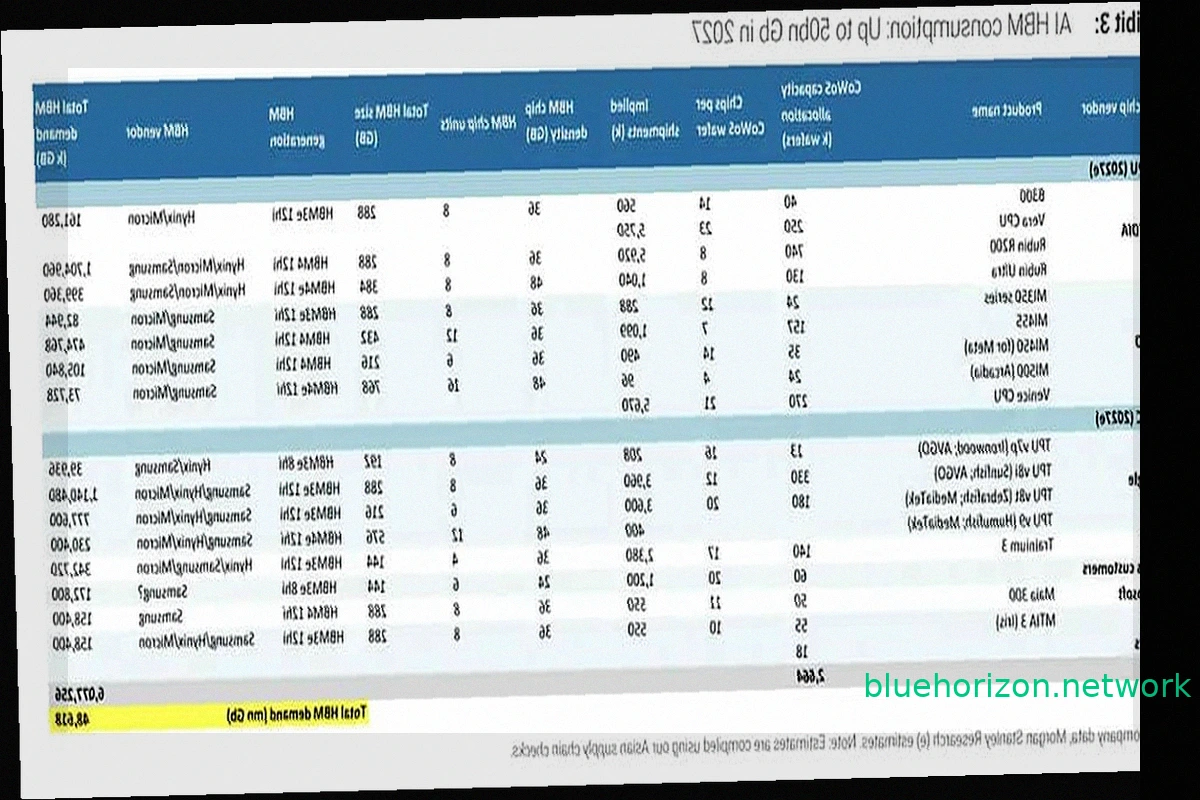
NVIDIA, Google, and AMD Poised to Control 85% of HBM Memory Demand by 2027
The "you'll own nothing and be happy" meme is finding a parallel in hardware, specifically memory. NVIDIA, Google, and AMD are set to command 85.4% of the global High Bandwidth Memory (HBM) demand by 2027, according to Morgan Stanley estimates. These three buyers will largely dictate the pace
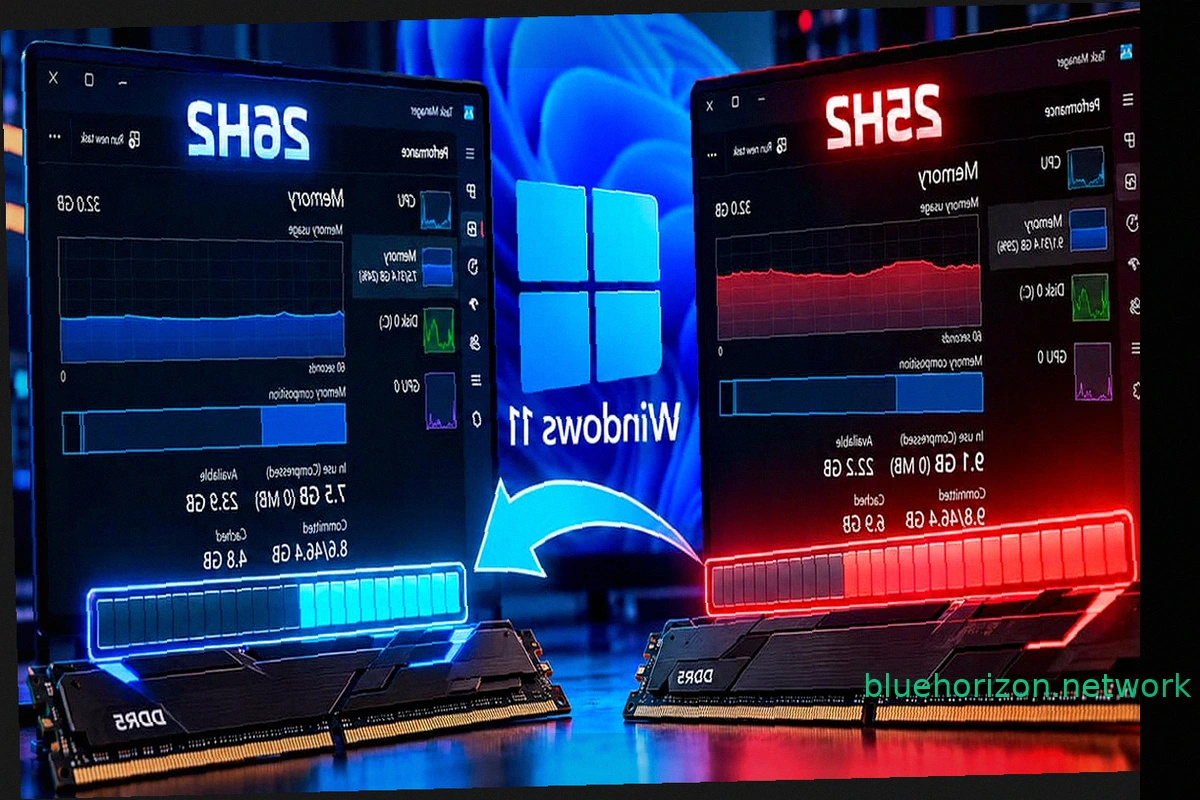
Windows 11 26H2 Reduces RAM Consumption by Up to 2 GB, But 8 GB Machines Still Struggle
Windows 11 26H2 is rolling out optimizations for RAM management. Some users report a noticeable decrease in RAM usage after installing this update, with certain systems showing a reduction of up to 2 GB compared to Windows 11 25H2 upon startup. However, initial findings suggest this improvemen

RTX 5090 fails with DLSS 5 after 48 hours for Chinese streamer
NVIDIA's RTX series introduced Tensor Cores, enabling technologies like DLSS. Early DLSS versions offered a noticeable drop in image quality compared to native resolution. DLSS 2 brought significant improvements, and DLSS 3 achieved parity or even superiority over native rendering. DLSS 4 cont