U.S. Supreme Court Rules ISPs Not Liable for User Piracy
Internet Service Providers (ISPs) have faced multi-billion dollar lawsuits from record labels, including Sony Music Entertainment, claiming over $1 billion for copyright infringements stemming from illegal downloads by their users. Following legal proceedings, the U.S. Supreme Court has ruled in favor of the ISPs, establishing that they are not responsible for their customers' piracy activities.
When subscribing to an internet service, users have the freedom to decide how they utilize it. While some employ it for browsing or consuming content on legitimate platforms, others access higher bandwidth for streaming or downloading series, movies, and video games—activities that often involve content piracy. This phenomenon is widespread and difficult to eradicate.
Supreme Court Dismisses $1 Billion Piracy Lawsuit Against ISPs
The U.S. Supreme Court revoked the $1 billion lawsuit filed by Sony Music Entertainment against ISPs. The court, siding with Cox Communications, clarified that ISPs can only be held liable for piracy if they actively incentivized the infringement, which was not the case.
It was emphasized that the intent to promote piracy is proven if the service was specifically designed to facilitate infringement. ISPs provide the infrastructure for network connection, and although they monitor and record users' browsing history, connection time, and data consumption, their primary service is not conceived for illicit purposes.
ISPs Exempt from Acting as "Internet Police" After Court Victory
This decision means that ISPs will not have to act as an "Internet police." While the monitoring of online activity is a known practice that has generated controversies (even in incognito mode), requiring ISPs to effectively identify and block copyright infringers would demand an immense amount of resources. The argument based on the DMCA law was also dismissed, as the judge indicated that such legislation does not alter the ISP's lack of culpability if it has not committed a direct offense.
With the annulment of the lawsuit, record labels suffer a legal defeat. This victory for ISPs ensures they can continue operating with their current business model. Users, in turn, will maintain their freedom of internet use, unless governments or sufficiently authoritative entities (such as LaLiga in Spain for certain content) manage to block access to specific websites.
Fresh materials — Technology News

Google Pixel Devices Hit by Nightmare Bug: September Update Locks Out Some Users
Updating your phone should be a simple process: install, restart, and continue. But imagine completing the update, entering your usual unlock pattern, and the phone not even letting you finish it. Your photos and messages remain, but you're locked out. This is the predicament some Google Pixel

NVIDIA GeForce RTX 4090 Founders Edition Loses Part of Its Heatsink After Three Years
A NVIDIA GeForce RTX 4090 Founders Edition has presented an unusual problem, not with its power connector, but with its heatsink. This incident is unique, as a portion of the graphics card's massive heatsink literally detached while its owner was moving the computer. This wasn't a decorative c

Russian Missiles Strike Infrastructure of 1337x, Second Largest Torrent Tracker, Hitting Piracy
Russian missile attacks have damaged infrastructure belonging to popular torrent trackers like 1337x. Between September 23 and 27, 2026, Russia conducted strikes targeting data centers and communication facilities in Kyiv. These attacks temporarily disrupted internet access for approximately 1
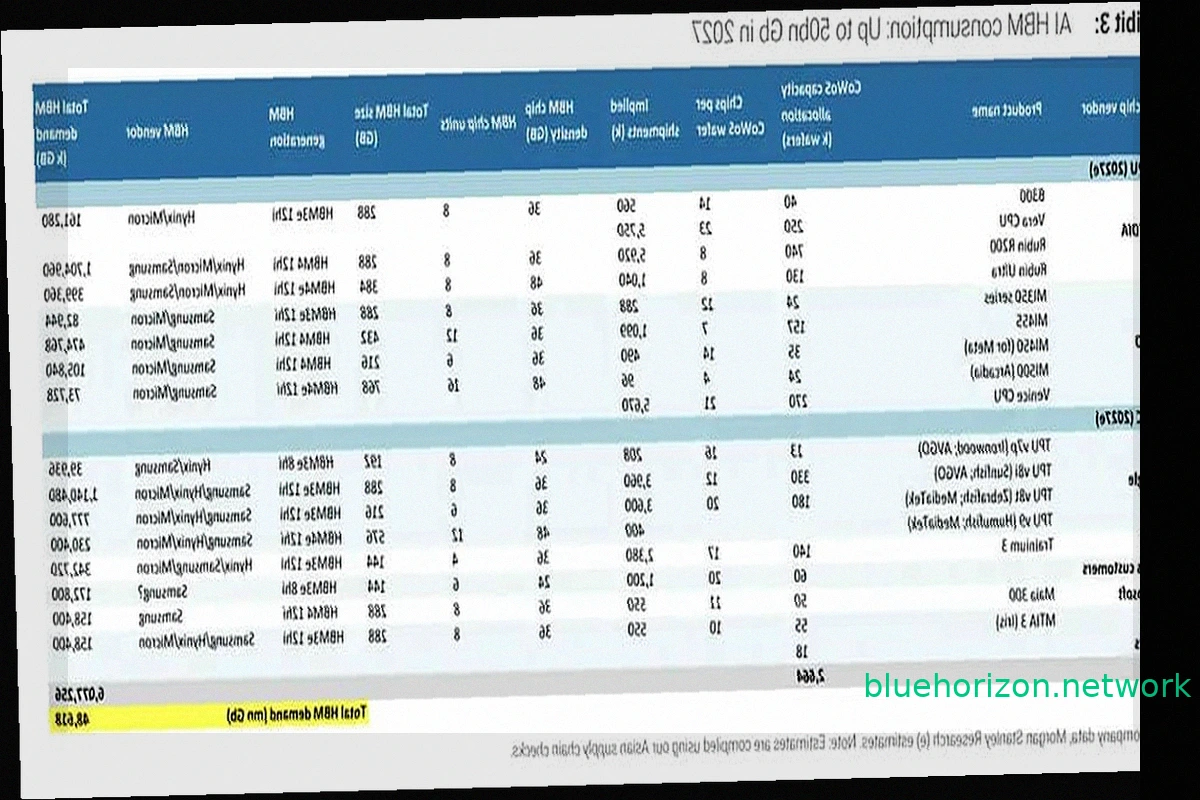
NVIDIA, Google, and AMD Poised to Control 85% of HBM Memory Demand by 2027
The "you'll own nothing and be happy" meme is finding a parallel in hardware, specifically memory. NVIDIA, Google, and AMD are set to command 85.4% of the global High Bandwidth Memory (HBM) demand by 2027, according to Morgan Stanley estimates. These three buyers will largely dictate the pace

Windows 11 26H2 Reduces RAM Consumption by Up to 2 GB, But 8 GB Machines Still Struggle
Windows 11 26H2 is rolling out optimizations for RAM management. Some users report a noticeable decrease in RAM usage after installing this update, with certain systems showing a reduction of up to 2 GB compared to Windows 11 25H2 upon startup. However, initial findings suggest this improvemen

RTX 5090 fails with DLSS 5 after 48 hours for Chinese streamer
NVIDIA's RTX series introduced Tensor Cores, enabling technologies like DLSS. Early DLSS versions offered a noticeable drop in image quality compared to native resolution. DLSS 2 brought significant improvements, and DLSS 3 achieved parity or even superiority over native rendering. DLSS 4 cont