Valve Launches Steam Frames VR Headset: Prices Revealed
Valve has announced its new autonomous virtual reality headset, the Steam Frames, confirming pricing for two models. The 256GB version is set at €1,049, while the 1TB model will cost €1,279. This positions the Steam Frames as a premium product, priced significantly higher than previous VR offe
Valve has announced its new autonomous virtual reality headset, the Steam Frames, confirming pricing for two models. The 256GB version is set at €1,049, while the 1TB model will cost €1,279. This positions the Steam Frames as a premium product, priced significantly higher than previous VR offerings like the Valve Index, which launched at €799.
The higher cost is attributed to the integrated hardware enabling standalone operation, including 16GB of RAM and substantial storage. Consequently, the Steam Frames are positioned as a niche product, nearly doubling the price of the Meta Quest 3. While the Quest 3 offers more battery life (139.2 minutes in Half-Life: Alyx versus 115.8 minutes for Steam Frames), the Steam Frames are designed for greater comfort, improved facial cooling, and lower latency during streaming.
Steam Frames Official Pricing: €1,049 or €1,279 Based on Storage
Both Steam Frames models share the same core hardware: a Qualcomm Snapdragon 8 Gen 3 SoC and 16GB of LPDDR5X RAM. The headset can run games directly via SteamOS or function as a streaming device, connected wirelessly to a PC or via cable. The primary differentiator is storage, offered in 256GB or 1TB UFS formats. While a microSD card slot is available for expansion, using it will result in higher loading times, potentially impacting the gaming experience.
The headset features dual LCD screens, each with a resolution of 2,160 x 2,160 pixels. They utilize pancake optics and support refresh rates of 72, 90, and 120 Hz, with an experimental 144 Hz mode. A key feature is eye-tracking, employed for Valve's foveated rendering system. This technology concentrates graphical fidelity and bandwidth on the user's direct line of sight, enhancing visual quality where it matters most and reducing resource allocation in peripheral vision.
For low-latency wireless gaming, the headset supports Wi-Fi 7 with independent 5 and 6 GHz radios. A 6 GHz Wi-Fi 6E USB adapter is included for direct, low-latency PC connections. The Steam Frames weigh 440 grams with the standard strap and facial interface, while the visor module alone is 185 grams. The 21.6 Wh battery is rear-mounted for weight balance. Initial independent tests suggest approximately 2 hours of gameplay, with battery life varying based on game demands and refresh rate settings.
Reservations Open with a Random Queue System, Similar to Steam Machine
Alongside the pricing, Valve has opened the reservation process for the Steam Frames. Interested users can register their interest; purchases will not be direct initially. Valve will collect requests and then establish a random order for the queue.
Starting September 18, users will receive an email indicating their reservation status or if they are placed on a waiting list. The first purchase invitations are expected around September 21, with subsequent units being released as they become available.
Optional accessories include an official charger for €39 and an ergonomic kit (strap and light blocker) with controllers for €69. There are also reports of a future battery pack designed to extend playtime. Valve includes the game Half-Life: Alyx with every headset purchase.
Fresh materials — Technology News

Google Pixel Devices Hit by Nightmare Bug: September Update Locks Out Some Users
Updating your phone should be a simple process: install, restart, and continue. But imagine completing the update, entering your usual unlock pattern, and the phone not even letting you finish it. Your photos and messages remain, but you're locked out. This is the predicament some Google Pixel
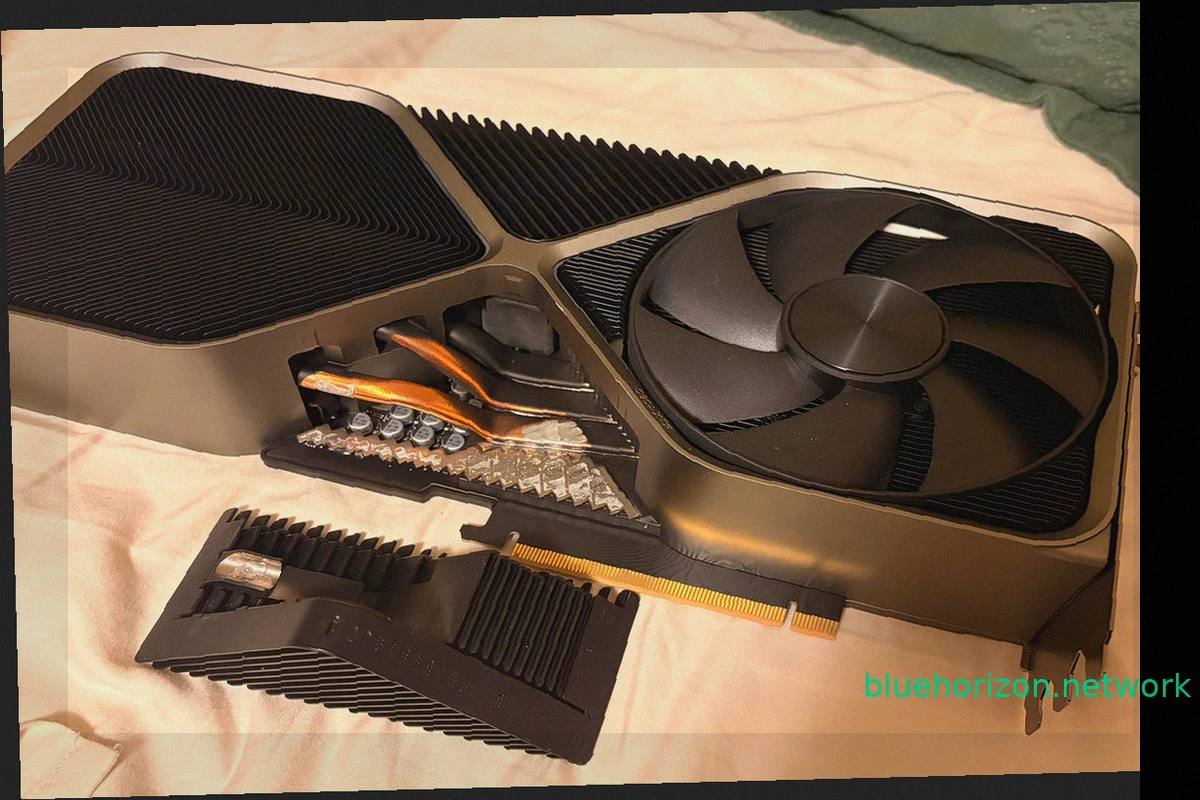
NVIDIA GeForce RTX 4090 Founders Edition Loses Part of Its Heatsink After Three Years
A NVIDIA GeForce RTX 4090 Founders Edition has presented an unusual problem, not with its power connector, but with its heatsink. This incident is unique, as a portion of the graphics card's massive heatsink literally detached while its owner was moving the computer. This wasn't a decorative c

Russian Missiles Strike Infrastructure of 1337x, Second Largest Torrent Tracker, Hitting Piracy
Russian missile attacks have damaged infrastructure belonging to popular torrent trackers like 1337x. Between September 23 and 27, 2026, Russia conducted strikes targeting data centers and communication facilities in Kyiv. These attacks temporarily disrupted internet access for approximately 1
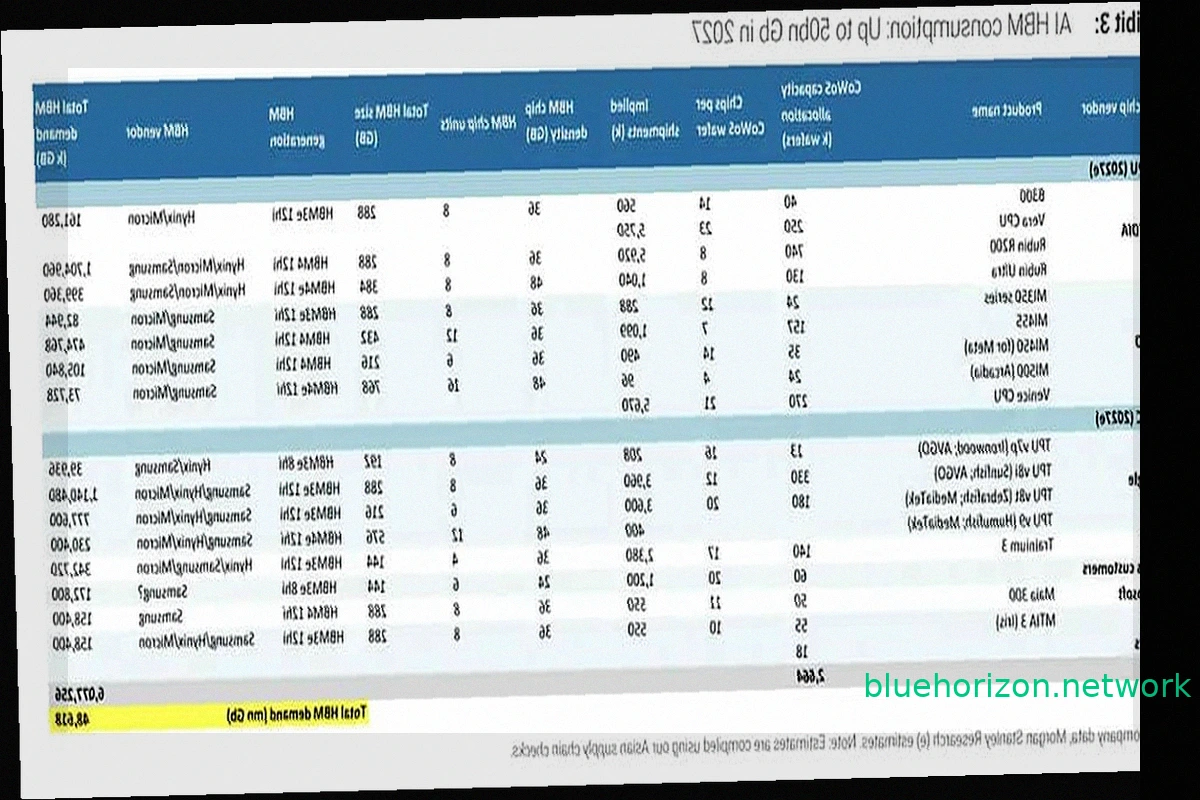
NVIDIA, Google, and AMD Poised to Control 85% of HBM Memory Demand by 2027
The "you'll own nothing and be happy" meme is finding a parallel in hardware, specifically memory. NVIDIA, Google, and AMD are set to command 85.4% of the global High Bandwidth Memory (HBM) demand by 2027, according to Morgan Stanley estimates. These three buyers will largely dictate the pace
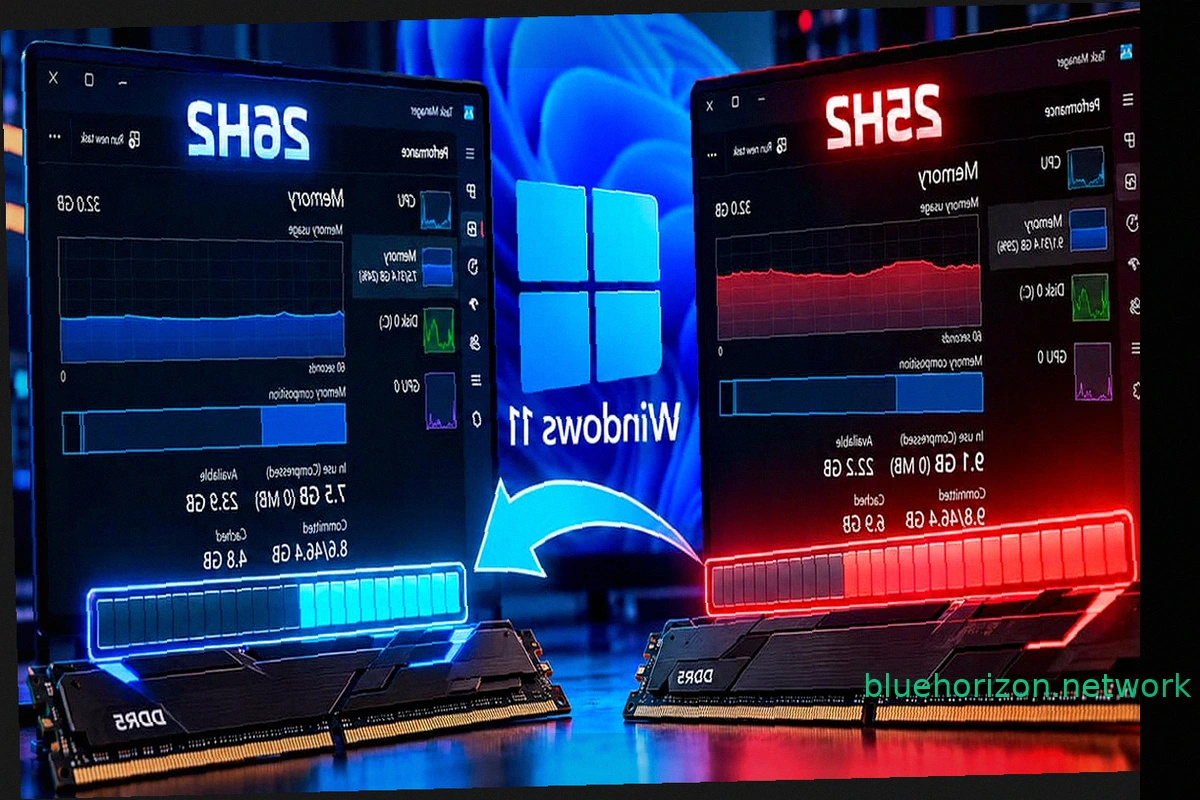
Windows 11 26H2 Reduces RAM Consumption by Up to 2 GB, But 8 GB Machines Still Struggle
Windows 11 26H2 is rolling out optimizations for RAM management. Some users report a noticeable decrease in RAM usage after installing this update, with certain systems showing a reduction of up to 2 GB compared to Windows 11 25H2 upon startup. However, initial findings suggest this improvemen

RTX 5090 fails with DLSS 5 after 48 hours for Chinese streamer
NVIDIA's RTX series introduced Tensor Cores, enabling technologies like DLSS. Early DLSS versions offered a noticeable drop in image quality compared to native resolution. DLSS 2 brought significant improvements, and DLSS 3 achieved parity or even superiority over native rendering. DLSS 4 cont