VGHF Discusses the Changes Brought About by the End of the Physical Format Initiated by Sony with PlayStation
Video games have become an integral part of our audiovisual culture, alongside film and music, even surpassing them in revenue years ago. While once criticized, games and their 'geek' players have become widely accepted across all age groups. However, a significant aspect of gaming history is now fading: the physical format. Sony has announced its discontinuation on PlayStation by 2028, and the Video Game History Foundation (VGHF) has weighed in on the consequences of this shift away from traditional disc-based gaming.
The end of physical game formats was inevitable, given the increasing popularity and dominance of digital distribution in recent years. Digital sales now account for an estimated 80-85% of PlayStation game sales, around 85-90% for Xbox, and an overwhelming 98-99% on PC.
VGHF Highlights the Primary Negative Consequence: The Loss of Game Resale and Ownership Rights
While the demise of physical games seemed inevitable, Sony's announcement has accelerated this transition, effectively opening a Pandora's Box. It's anticipated that Xbox will follow suit, and Nintendo, with its Game-Key Cards (GKC), appears to be paving the way for a digital-only future, significantly shortening the lifespan of disc-based games. The VGHF has released a statement detailing the repercussions of this shift.
The VGHF points out that the complete transition to digital will lead to the disappearance of markets like second-hand game trading. Furthermore, it impacts consumer rights, as players will no longer have true ownership but rather rely on external platforms. Despite these concerns, the VGHF does not believe the loss of physical discs to be entirely catastrophic.
VGHF's Stance: Modern Games Aren't Designed for Physical Media, Often Requiring Immediate Downloads
According to the VGHF, physical formats offer limited benefits for game preservation. Discs are prone to damage, loss, and wear, and represent a finite medium. Once no longer sold in stores, they become collector's items, diminishing in availability. In contrast, digital formats persist indefinitely, though platform closures can still lead to the loss of access. The VGHF's view on preservation is more about long-term availability. They also argue that games developed over the past two decades 'were not designed for home consoles or for physical formats'.
This is evident when purchasing a physical game and immediately needing to download a day-one patch digitally. This was not the case for older consoles like the PS1 and PS2, where games were complete upon release without digital updates. While older games might have had more bugs, these were part of the original experience, unlike today's model where a physical purchase often requires immediate digital intervention.
Fresh materials — Technology News

Google Pixel Devices Hit by Nightmare Bug: September Update Locks Out Some Users
Updating your phone should be a simple process: install, restart, and continue. But imagine completing the update, entering your usual unlock pattern, and the phone not even letting you finish it. Your photos and messages remain, but you're locked out. This is the predicament some Google Pixel

NVIDIA GeForce RTX 4090 Founders Edition Loses Part of Its Heatsink After Three Years
A NVIDIA GeForce RTX 4090 Founders Edition has presented an unusual problem, not with its power connector, but with its heatsink. This incident is unique, as a portion of the graphics card's massive heatsink literally detached while its owner was moving the computer. This wasn't a decorative c

Russian Missiles Strike Infrastructure of 1337x, Second Largest Torrent Tracker, Hitting Piracy
Russian missile attacks have damaged infrastructure belonging to popular torrent trackers like 1337x. Between September 23 and 27, 2026, Russia conducted strikes targeting data centers and communication facilities in Kyiv. These attacks temporarily disrupted internet access for approximately 1
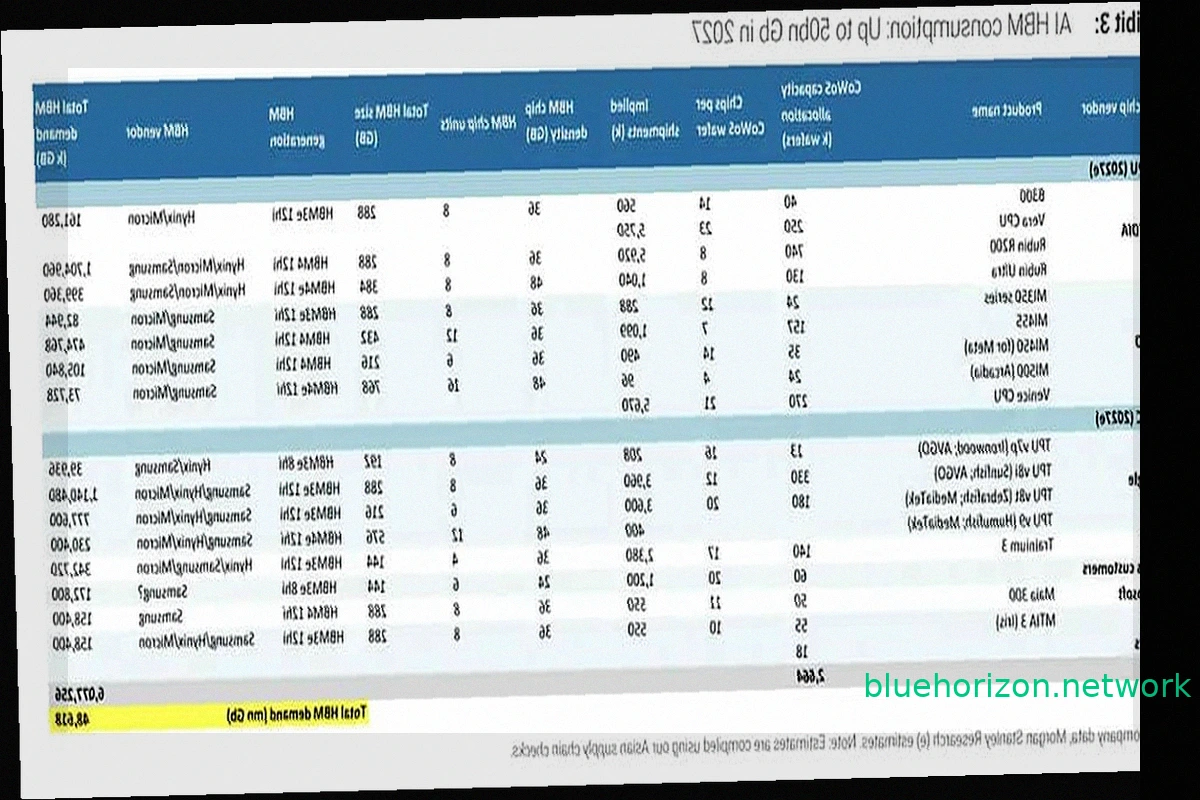
NVIDIA, Google, and AMD Poised to Control 85% of HBM Memory Demand by 2027
The "you'll own nothing and be happy" meme is finding a parallel in hardware, specifically memory. NVIDIA, Google, and AMD are set to command 85.4% of the global High Bandwidth Memory (HBM) demand by 2027, according to Morgan Stanley estimates. These three buyers will largely dictate the pace
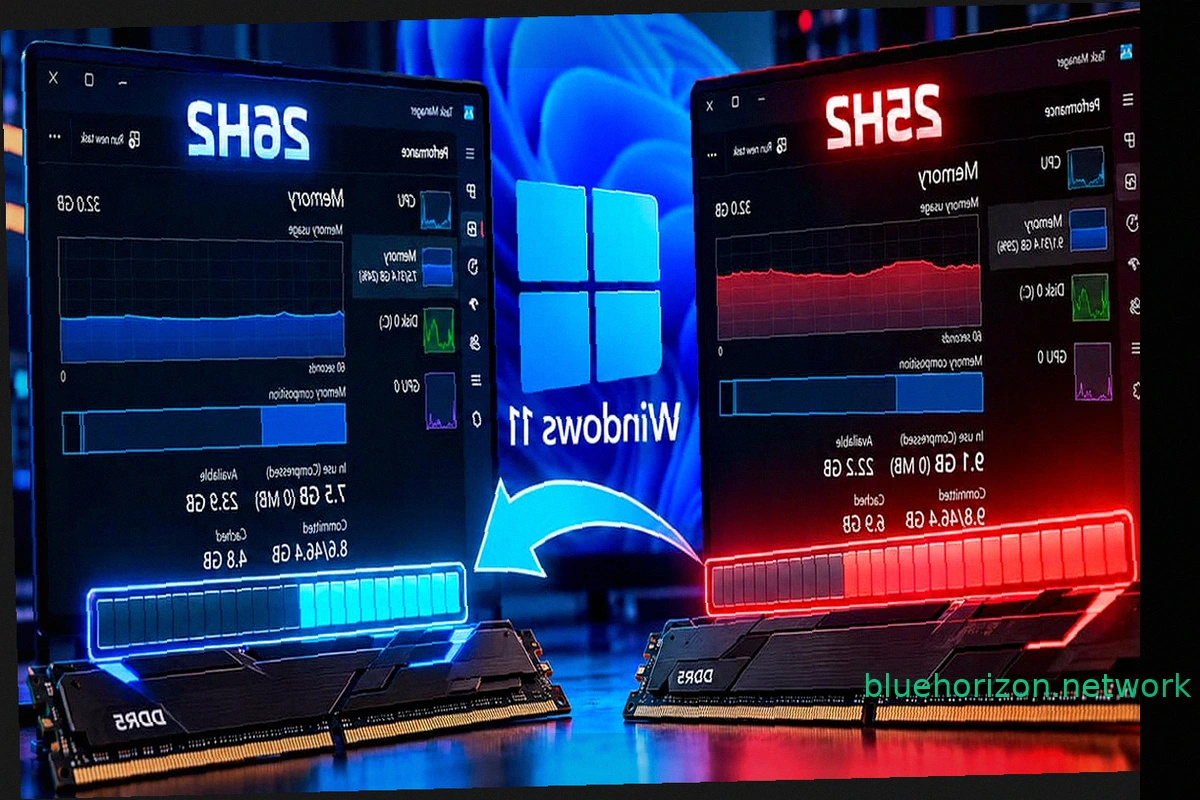
Windows 11 26H2 Reduces RAM Consumption by Up to 2 GB, But 8 GB Machines Still Struggle
Windows 11 26H2 is rolling out optimizations for RAM management. Some users report a noticeable decrease in RAM usage after installing this update, with certain systems showing a reduction of up to 2 GB compared to Windows 11 25H2 upon startup. However, initial findings suggest this improvemen

RTX 5090 fails with DLSS 5 after 48 hours for Chinese streamer
NVIDIA's RTX series introduced Tensor Cores, enabling technologies like DLSS. Early DLSS versions offered a noticeable drop in image quality compared to native resolution. DLSS 2 brought significant improvements, and DLSS 3 achieved parity or even superiority over native rendering. DLSS 4 cont