Why are astronauts using aging tech? NASA spaceflight expert has the answers
In an era of rapid technological advancement, it might seem counterintuitive that NASA astronauts often embark on missions equipped with hardware that isn't the latest and greatest. From flight computers to communication systems, some components aboard spacecraft can be years, if not decades, behind consumer-grade technology. But according to NASA spaceflight experts, this isn't an oversight; it's a deliberate and critical strategy driven by paramount concerns.
Reliability Over Novelty
The primary reason for opting for older, proven technology is reliability. In the unforgiving vacuum of space, where repairs are incredibly complex and failures can have catastrophic consequences, stability is king. New technologies, while exciting, often come with unknown failure modes and require extensive debugging. Older components, having been used in numerous previous missions or simulations, have a well-documented performance history. Every glitch, every stress point, every operational quirk is understood, allowing engineers to design around potential weaknesses and ensure peak performance under extreme conditions.
Rigorous Testing and Certification
Before any piece of equipment can fly into space, it undergoes an incredibly rigorous testing and certification process. This isn't just a quick check; it involves subjecting components to extreme temperatures, radiation, vacuum, vibration, and shock—conditions far beyond what they would experience on Earth. This process can take years. By the time a new technology has completed this gauntlet, a newer version might already exist on the market. However, switching to the 'latest' version would mean restarting the entire testing protocol from scratch, which is impractical given mission timelines and safety requirements. The tested and certified 'older' tech is therefore the safer, more expedient choice.
Cost-Effectiveness and Procurement Cycles
Space missions are astronomically expensive, and every component contributes to the overall budget. Developing and qualifying brand-new, space-rated technology is a monumental undertaking that can cost billions. Leveraging existing, proven hardware significantly reduces research and development costs. Furthermore, the procurement cycles for space hardware are lengthy. Companies that produce space-grade components often do so in smaller batches, focusing on robustness rather than rapid obsolescence. This means that by the time a system is fully designed, built, and integrated, the components chosen might already be several generations old compared to consumer electronics, but they are still the most cost-effective and reliable options available for space application.
Conclusion
Ultimately, NASA's choice to utilize 'aging tech' isn't about being behind the times; it's a testament to the meticulous planning and unwavering commitment to astronaut safety and mission success. In the realm of space exploration, where the stakes are incredibly high, the allure of cutting-edge technology takes a back seat to the undeniable power of reliability, exhaustive testing, and fiscal prudence. This pragmatic approach ensures that every piece of hardware, regardless of its 'age,' is the most dependable choice for navigating the challenges of the cosmos.
Fresh materials — Technology News

Google Pixel Devices Hit by Nightmare Bug: September Update Locks Out Some Users
Updating your phone should be a simple process: install, restart, and continue. But imagine completing the update, entering your usual unlock pattern, and the phone not even letting you finish it. Your photos and messages remain, but you're locked out. This is the predicament some Google Pixel
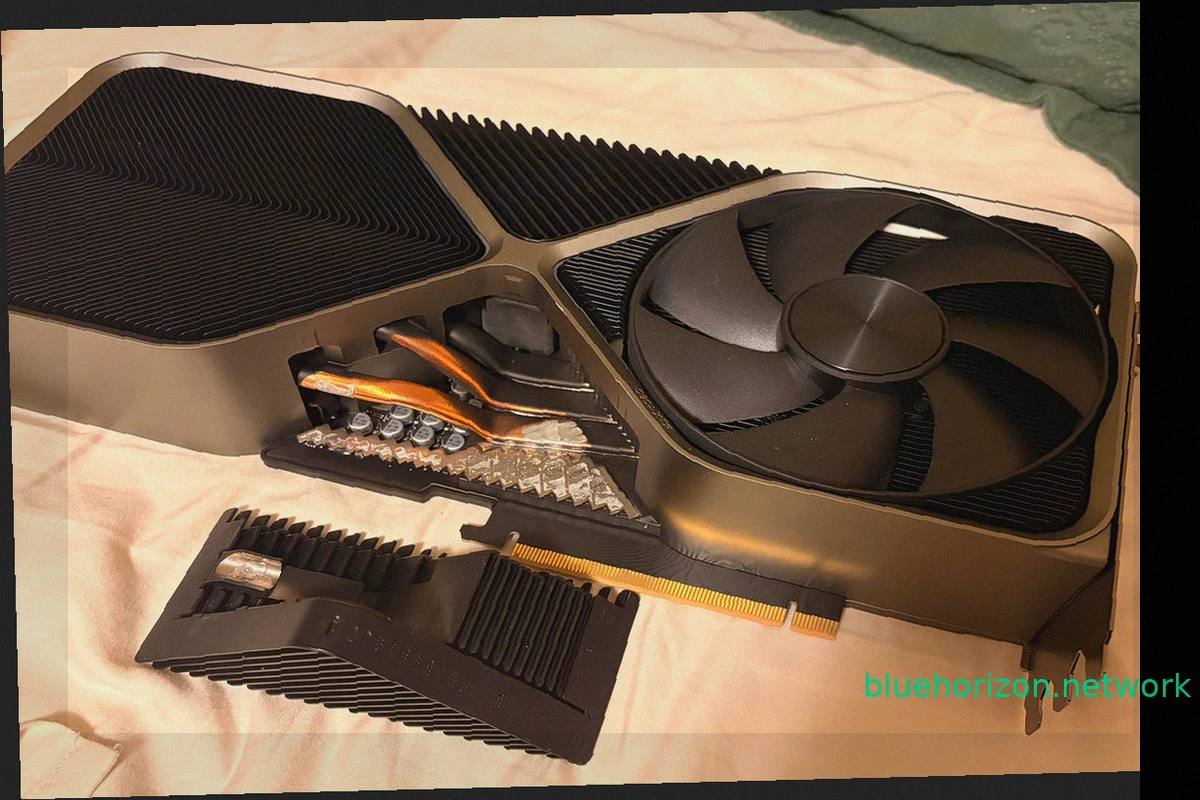
NVIDIA GeForce RTX 4090 Founders Edition Loses Part of Its Heatsink After Three Years
A NVIDIA GeForce RTX 4090 Founders Edition has presented an unusual problem, not with its power connector, but with its heatsink. This incident is unique, as a portion of the graphics card's massive heatsink literally detached while its owner was moving the computer. This wasn't a decorative c

Russian Missiles Strike Infrastructure of 1337x, Second Largest Torrent Tracker, Hitting Piracy
Russian missile attacks have damaged infrastructure belonging to popular torrent trackers like 1337x. Between September 23 and 27, 2026, Russia conducted strikes targeting data centers and communication facilities in Kyiv. These attacks temporarily disrupted internet access for approximately 1
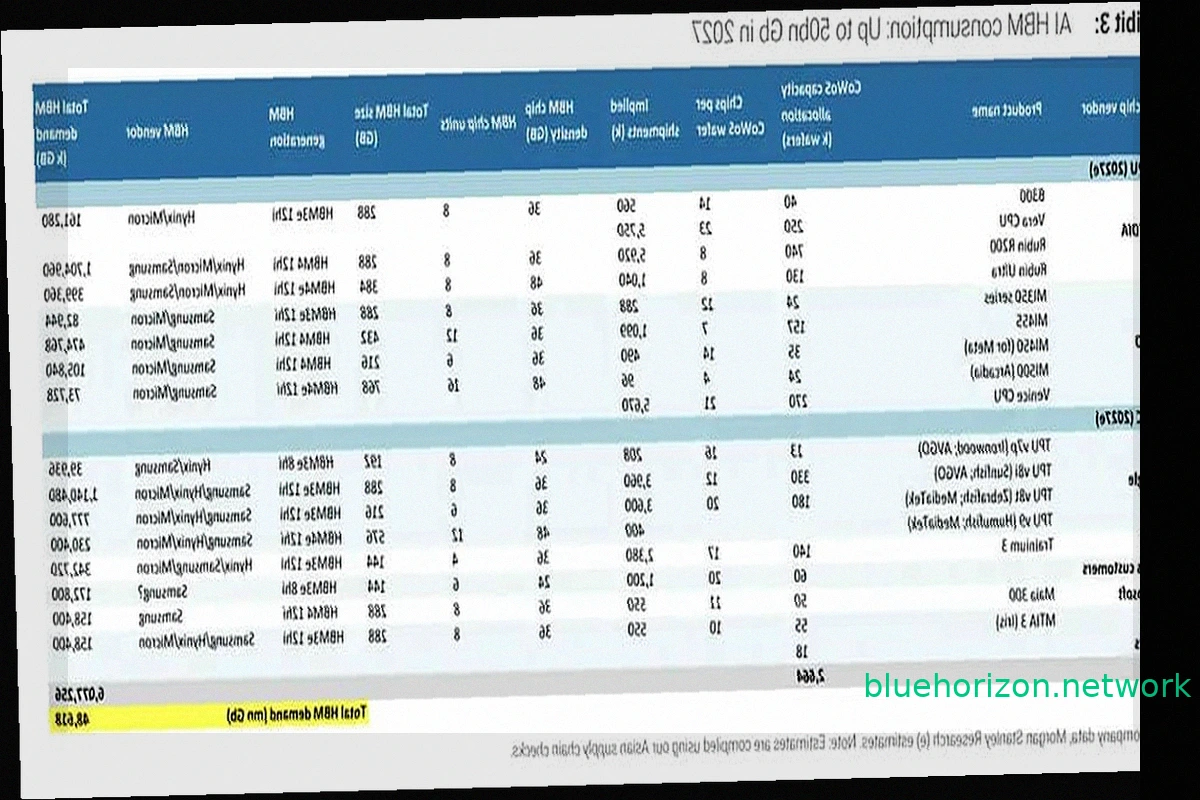
NVIDIA, Google, and AMD Poised to Control 85% of HBM Memory Demand by 2027
The "you'll own nothing and be happy" meme is finding a parallel in hardware, specifically memory. NVIDIA, Google, and AMD are set to command 85.4% of the global High Bandwidth Memory (HBM) demand by 2027, according to Morgan Stanley estimates. These three buyers will largely dictate the pace
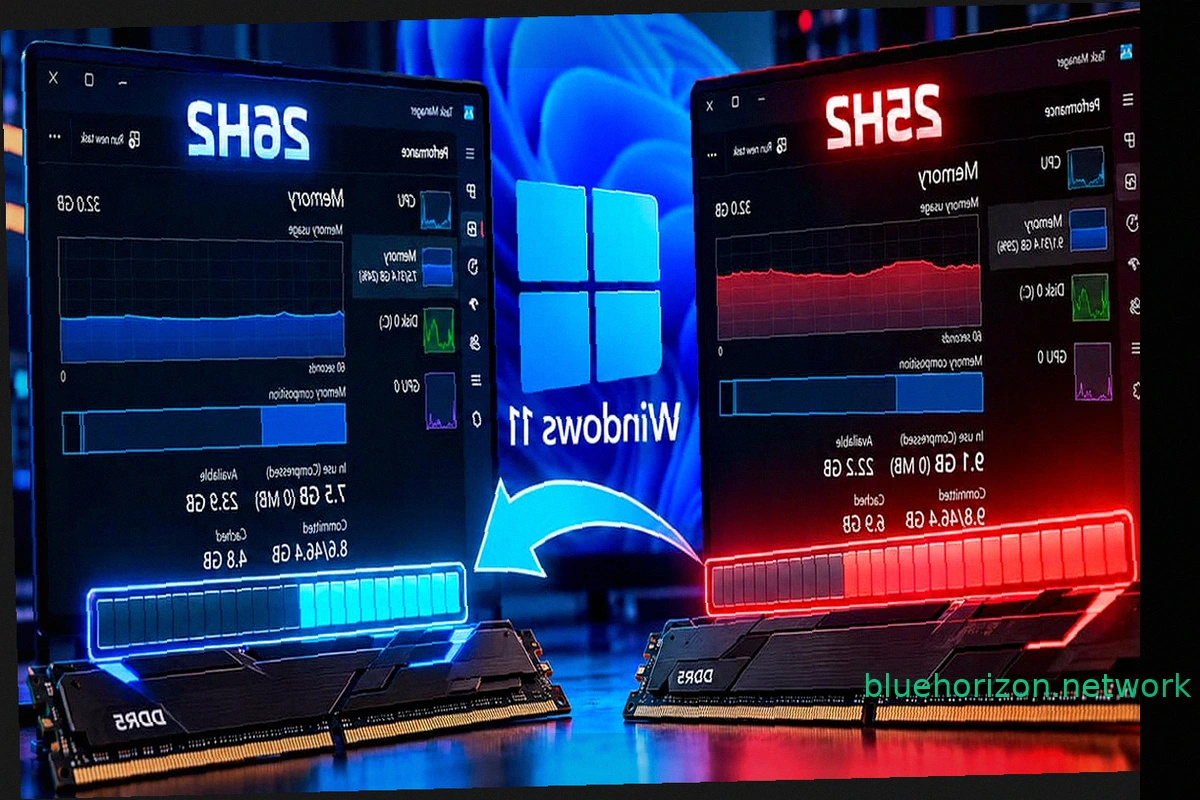
Windows 11 26H2 Reduces RAM Consumption by Up to 2 GB, But 8 GB Machines Still Struggle
Windows 11 26H2 is rolling out optimizations for RAM management. Some users report a noticeable decrease in RAM usage after installing this update, with certain systems showing a reduction of up to 2 GB compared to Windows 11 25H2 upon startup. However, initial findings suggest this improvemen

RTX 5090 fails with DLSS 5 after 48 hours for Chinese streamer
NVIDIA's RTX series introduced Tensor Cores, enabling technologies like DLSS. Early DLSS versions offered a noticeable drop in image quality compared to native resolution. DLSS 2 brought significant improvements, and DLSS 3 achieved parity or even superiority over native rendering. DLSS 4 cont