World ID: OpenAI's Solution for Human-Bot Identification and its Privacy Implications
The future appears uncertain given the extensive integration of AI into our lives, impacting sectors from employment to education. AI is ubiquitous, with a growing number of people utilizing it daily for assistance and task acceleration. While undeniably useful, this widespread adoption is leading to an internet saturated with AI-generated content, making it increasingly difficult to distinguish reality from fabrication and leading to a proliferation of bots. In response, OpenAI CEO Sam Altman has conceived World ID, a system designed to differentiate humans from machines and bots – a critical necessity as AI continues its rapid advancement.
OpenAI, propelled by the global phenomenon ChatGPT, stands as one of the world's most recognized AI companies. With over 800 million monthly active users, a significant portion of the population now relies on OpenAI's services. Despite its popularity, the company has faced considerable financial challenges, operating at a net loss and incurring significantly more expenses than revenue to sustain ChatGPT.
The World ID Verification System Will Assign Each Human a Unique Identification to Differentiate Them from Bots
Beyond ChatGPT, OpenAI's CEO is focused on building foundational infrastructure for humanity's future. This vision includes initiatives like Universal Basic Income, positing that humans should receive financial support if their jobs are displaced by AI, though this remains a distant goal. Another related project is Worldcoin, a cryptocurrency designed as part of its 'World' system aimed at safeguarding humanity from future AI challenges. Directly connected to these efforts is World ID, a digital identity system intended to distinguish humans from bots across the internet.
Earlier, concerns arose regarding OpenAI's requirement for ocular scans using specialized devices to register individuals into a human database. World ID, however, is now presented as an 'anonymous digital passport,' alleviating fears about personal data exposure and misuse, unlike previous apprehensions with Worldcoin. Users reportedly won't need to share personal information such as their name or email, yet the system will still uniquely identify them as an individual.
Nonetheless, the aforementioned ocular (iris) scan remains a prerequisite. This means users must locate an 'Orb' device, which could be challenging if they reside far from one of the 634 global locations where these devices are available. In countries like Spain, the AEPD (Spanish Data Protection Agency) previously prohibited such activities, though they are slated to resume operations in 2026.
World ID Identification Will Integrate with AgentKit, Allowing AI Agents to Act on Our Behalf
This presents a dichotomy: while World ID offers an anonymous identification system to distinguish individuals from AI, OpenAI is also developing AgentKit. AgentKit aims to reconnect humans with AI by enabling artificial agents to operate under the authenticated identity of a real, unique human. This dual approach allows OpenAI to expand its infrastructure by both verifying human identity and facilitating the connection between AI agents and their human counterparts.
If successful, these agents could perform actions on behalf of the human holding the World ID, with websites recognizing the agent as the individual. Humans will be able to delegate their World ID to multiple agents, each with specific functions, all recognized as belonging to the same human owner. The process for obtaining a World ID is straightforward: download the app, verify identity at an Orb, generate our identification, and store it on our mobile device.
This system holds potential for detecting deepfakes and various scams, potentially deterring bots in video games if integrated, and verifying legitimate emails. However, significant concerns remain regarding the system's overall viability, its limitations, and safeguards against scenarios where AI agents might act outside their human owner's delegated authority or even "lose control."
Fresh materials — Technology News
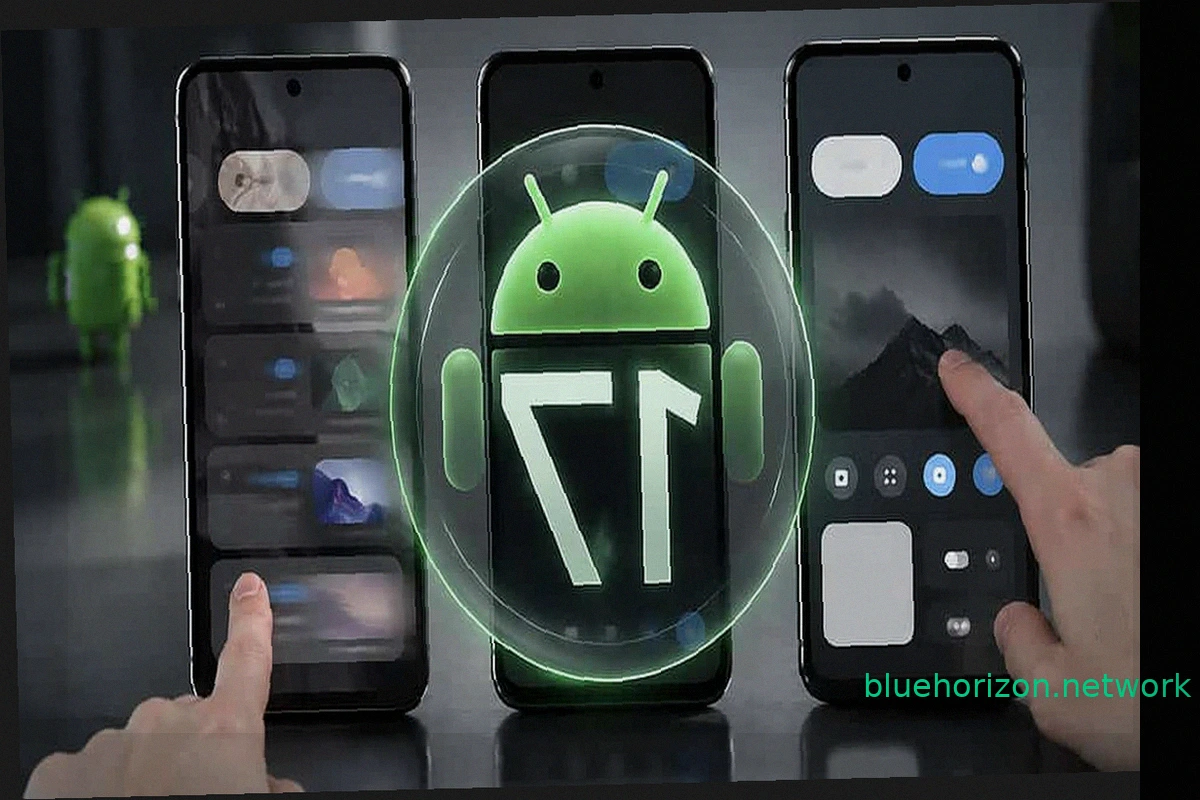
Google Pixel Devices Hit by Nightmare Bug: September Update Locks Out Some Users
Updating your phone should be a simple process: install, restart, and continue. But imagine completing the update, entering your usual unlock pattern, and the phone not even letting you finish it. Your photos and messages remain, but you're locked out. This is the predicament some Google Pixel
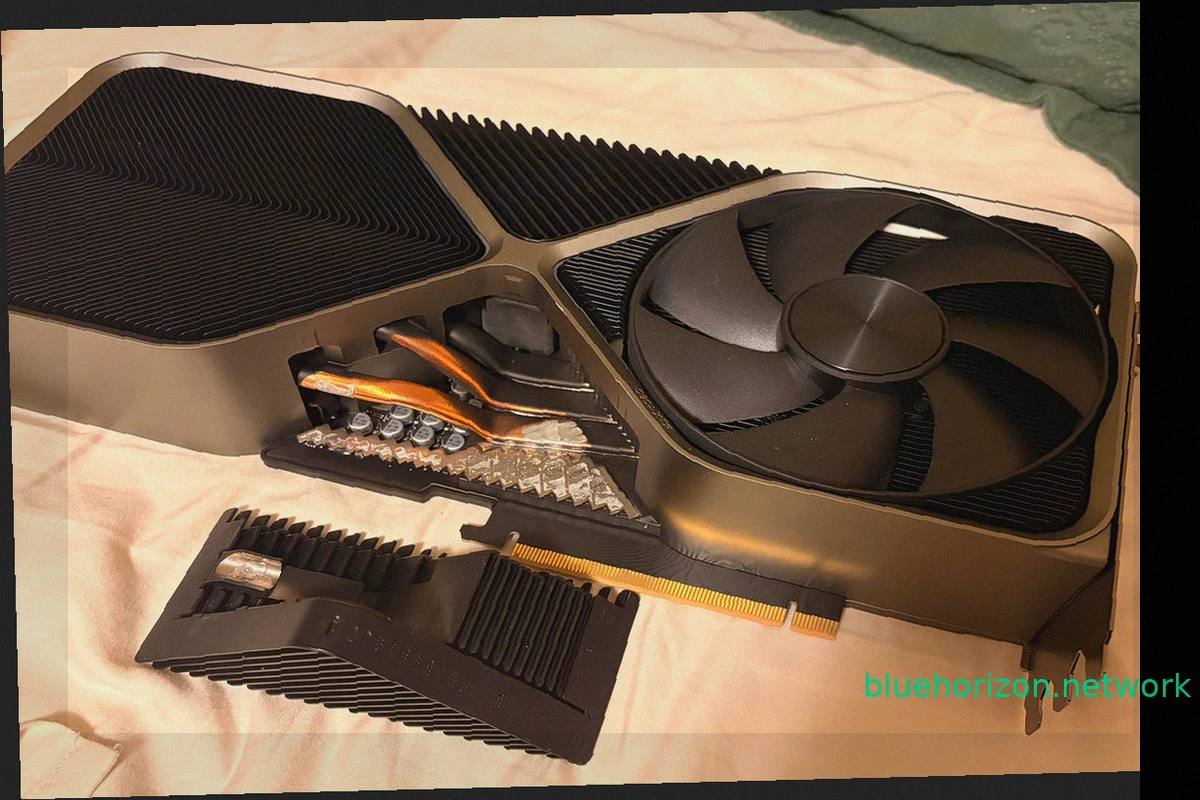
NVIDIA GeForce RTX 4090 Founders Edition Loses Part of Its Heatsink After Three Years
A NVIDIA GeForce RTX 4090 Founders Edition has presented an unusual problem, not with its power connector, but with its heatsink. This incident is unique, as a portion of the graphics card's massive heatsink literally detached while its owner was moving the computer. This wasn't a decorative c

Russian Missiles Strike Infrastructure of 1337x, Second Largest Torrent Tracker, Hitting Piracy
Russian missile attacks have damaged infrastructure belonging to popular torrent trackers like 1337x. Between September 23 and 27, 2026, Russia conducted strikes targeting data centers and communication facilities in Kyiv. These attacks temporarily disrupted internet access for approximately 1
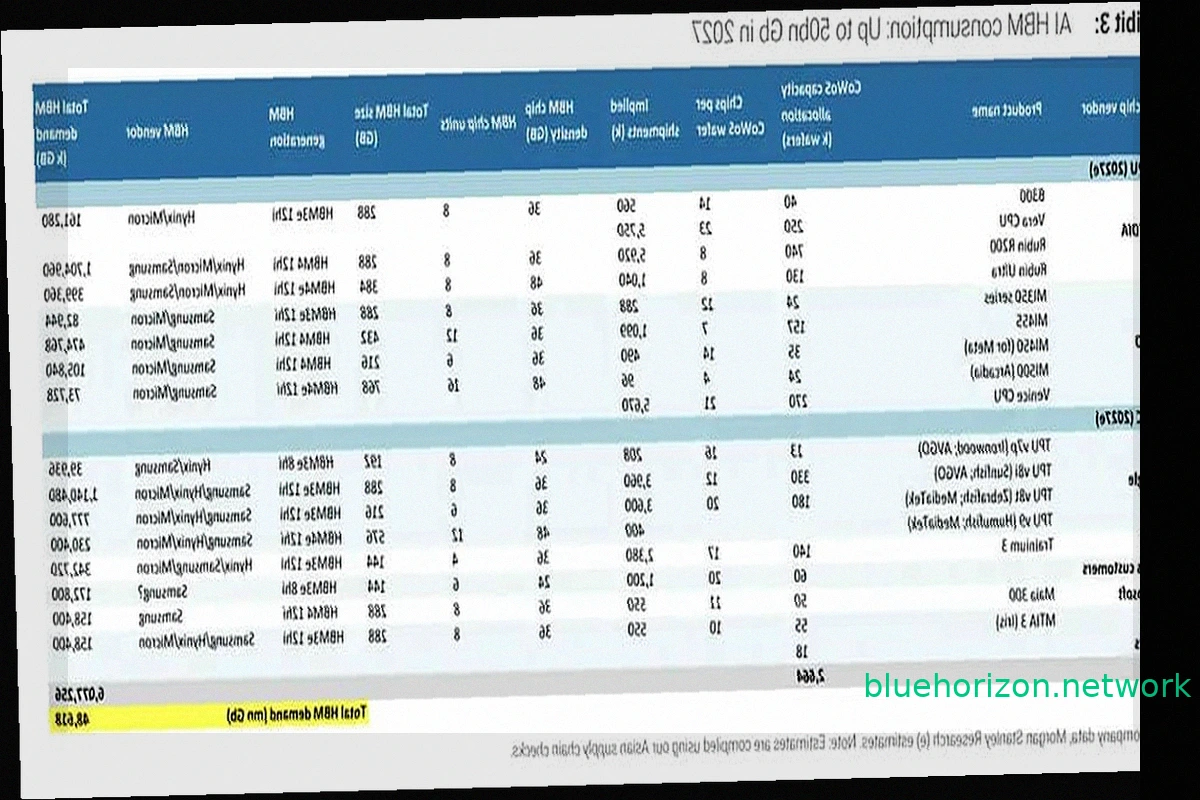
NVIDIA, Google, and AMD Poised to Control 85% of HBM Memory Demand by 2027
The "you'll own nothing and be happy" meme is finding a parallel in hardware, specifically memory. NVIDIA, Google, and AMD are set to command 85.4% of the global High Bandwidth Memory (HBM) demand by 2027, according to Morgan Stanley estimates. These three buyers will largely dictate the pace
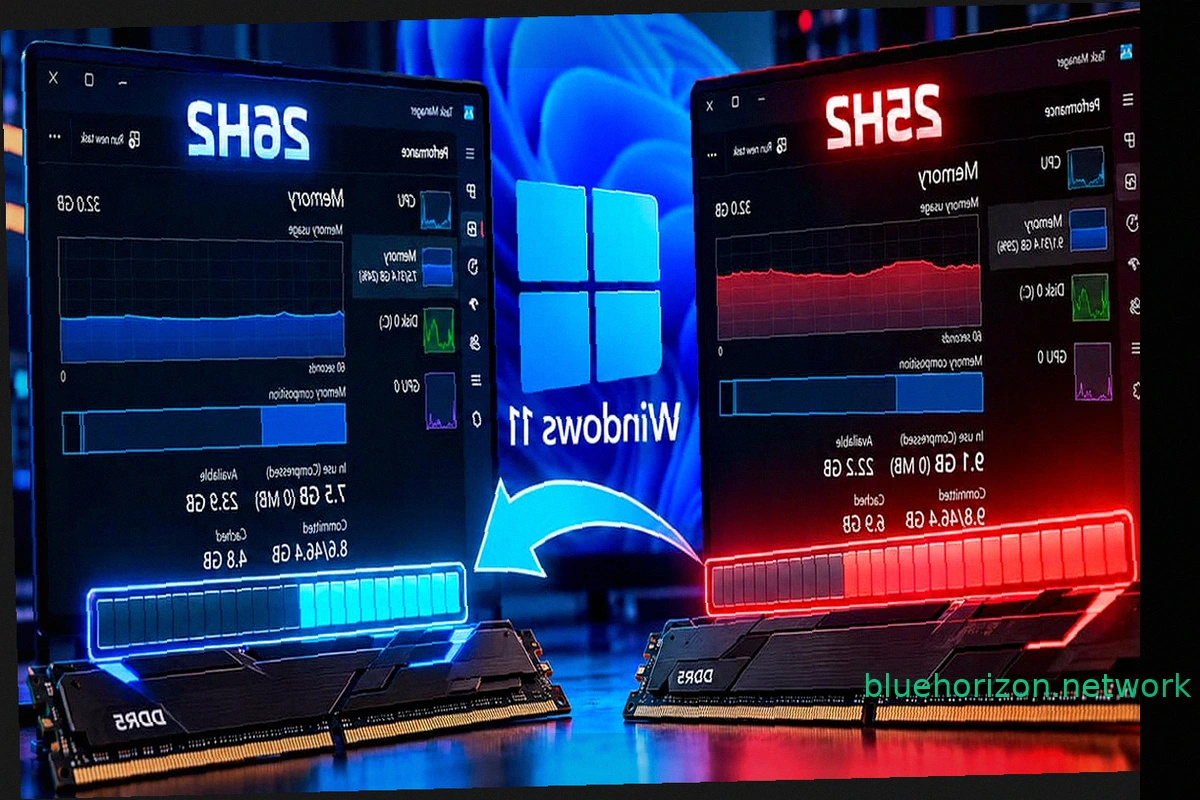
Windows 11 26H2 Reduces RAM Consumption by Up to 2 GB, But 8 GB Machines Still Struggle
Windows 11 26H2 is rolling out optimizations for RAM management. Some users report a noticeable decrease in RAM usage after installing this update, with certain systems showing a reduction of up to 2 GB compared to Windows 11 25H2 upon startup. However, initial findings suggest this improvemen

RTX 5090 fails with DLSS 5 after 48 hours for Chinese streamer
NVIDIA's RTX series introduced Tensor Cores, enabling technologies like DLSS. Early DLSS versions offered a noticeable drop in image quality compared to native resolution. DLSS 2 brought significant improvements, and DLSS 3 achieved parity or even superiority over native rendering. DLSS 4 cont