YouTube Premium Introduces Auto Speed: Intelligent Video Acceleration
YouTube is currently testing a novel feature for its Premium subscribers designed to automatically enhance video playback speed. This function goes beyond simply playing videos faster; the application is empowered to intelligently determine when accelerating a video is beneficial and when it i
YouTube is currently testing a novel feature for its Premium subscribers designed to automatically enhance video playback speed. This function goes beyond simply playing videos faster; the application is empowered to intelligently determine when accelerating a video is beneficial and when it is not. Dubbed Auto Speed, this feature, as per YouTube's official documentation, optimizes playback speed contextually. This means it will speed up segments like lengthy introductions or sections with slower speech, while adopting a more deliberate pace for dense content that demands greater attention.
In essence, the goal is to automate a practice many users already perform manually, such as playing videos at 1.25x, 1.5x, or even faster speeds to save time. The key difference is that YouTube is now attempting to manage this pacing autonomously. Furthermore, the official support documentation indicates that users can set a minimum playback speed ranging from 1.0x to 4x, and Auto Speed will adjust playback around this chosen threshold. It's also clarified that, for the time being, this feature is exclusive to YouTube Premium on Android. It is not available for Shorts, premieres, live streams, music, movies, or series, and it needs to be re-enabled if the app is closed and reopened.
Auto Speed Arrives on YouTube Premium Alongside the On-the-go Feature
In addition to the Auto Speed video acceleration feature, YouTube Premium is also introducing another experimental function named On-the-go. This feature is primarily geared towards listening to YouTube content rather than actively watching it while commuting, traveling, or multitasking. Essentially, it aims to transform any video into a podcast experience with a more convenient control system. It is particularly suited for interview programs or content that is predominantly spoken. This function can be manually activated from the video's settings and may also suggest itself if the device detects at least 60 seconds of movement with the screen unlocked.
What's particularly interesting is how this aligns with the direction YouTube has been steering Premium since 2025. In January of last year, the company officially announced that subscribers could experiment with multiple features simultaneously at youtube.com/new. These included higher quality audio, the Jump Ahead feature on the web (allowing users to skip creator-inserted ad breaks within their videos), and playback speeds up to 4x on mobile devices. This demonstrates Google's long-standing effort to evolve Premium beyond a simple "ad-free experience" into a package of features focused on time-saving, enhanced control, and more efficient video consumption.
Through these implementations, YouTube is actively developing features to enable faster video consumption. This is particularly relevant in the current 'TikTok generation' era, where short-form content often prevails. For longer videos, users frequently resort to accelerating the entire playback to absorb the content more quickly. Consequently, there's a drive to automate the consumption pace. This represents a logical progression for a platform where longer videos are increasingly prevalent due to monetization strategies. These monetization methods are often not as accessible on platforms like TikTok or Shorts, where very short content reigns supreme. This extends to lengthy recorded podcasts and video formats with significant introductory filler. Auto Speed directly targets these types of content, from endless introductions and transition sections to less dense parts that many users already skip, either mentally or manually.
Fresh materials — Technology News
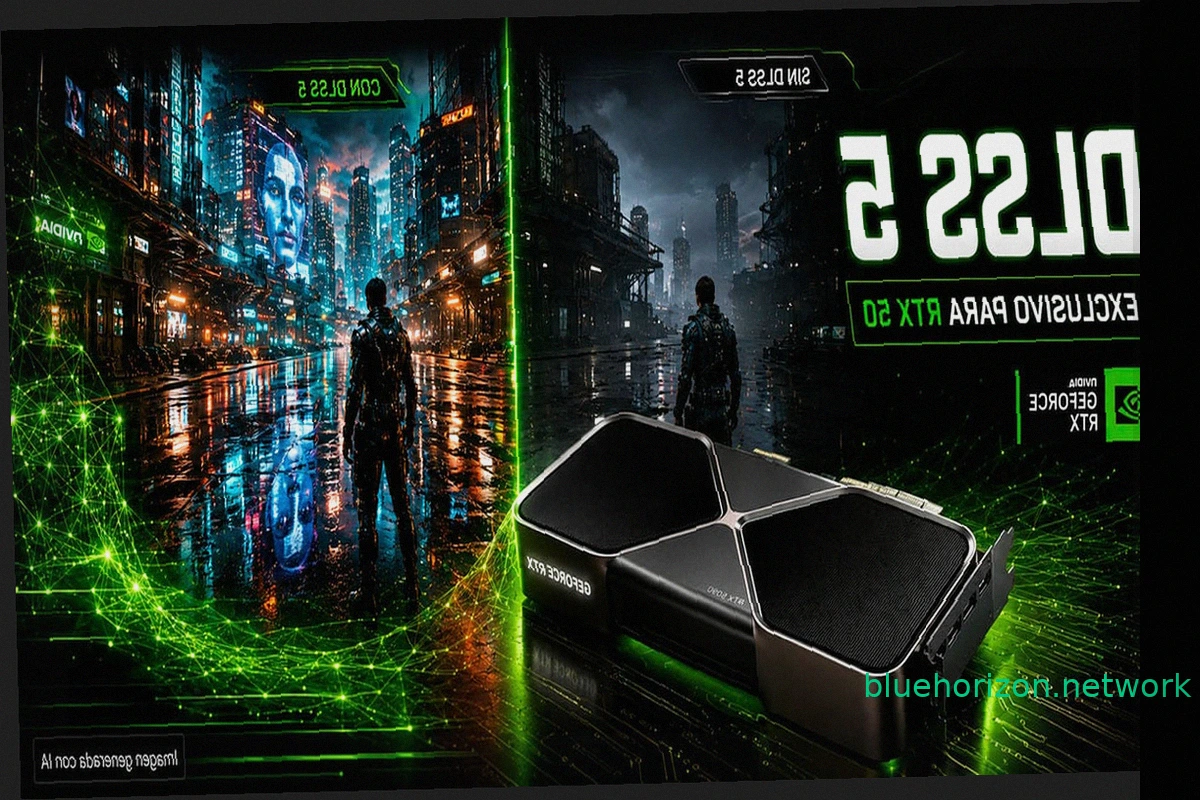
NVIDIA DLSS 5: Exclusive to GeForce RTX 50 Series GPUs and Beyond
NVIDIA utilized the SIGGRAPH 2026 event to provide a deeper explanation of how DLSS 5 will function. The significant news is that this technology is exclusively intended for GeForce RTX 50 graphics cards, built on the Blackwell architecture. Consequently, there has been no announcement of compatibi

NVIDIA GeForce RTX 3050 Found for Under $5 CAD at a Thrift Store – It Actually Works!
A Reddit user, known as Nervous, has made an almost unbelievable purchase: an MSI GeForce RTX 3050 VENTUS 2X 6GB graphics card for a mere 5 Canadian dollars. This incredible find, described as the "purchase of the year," was instantly bought from a second-hand store called Value Village. The de
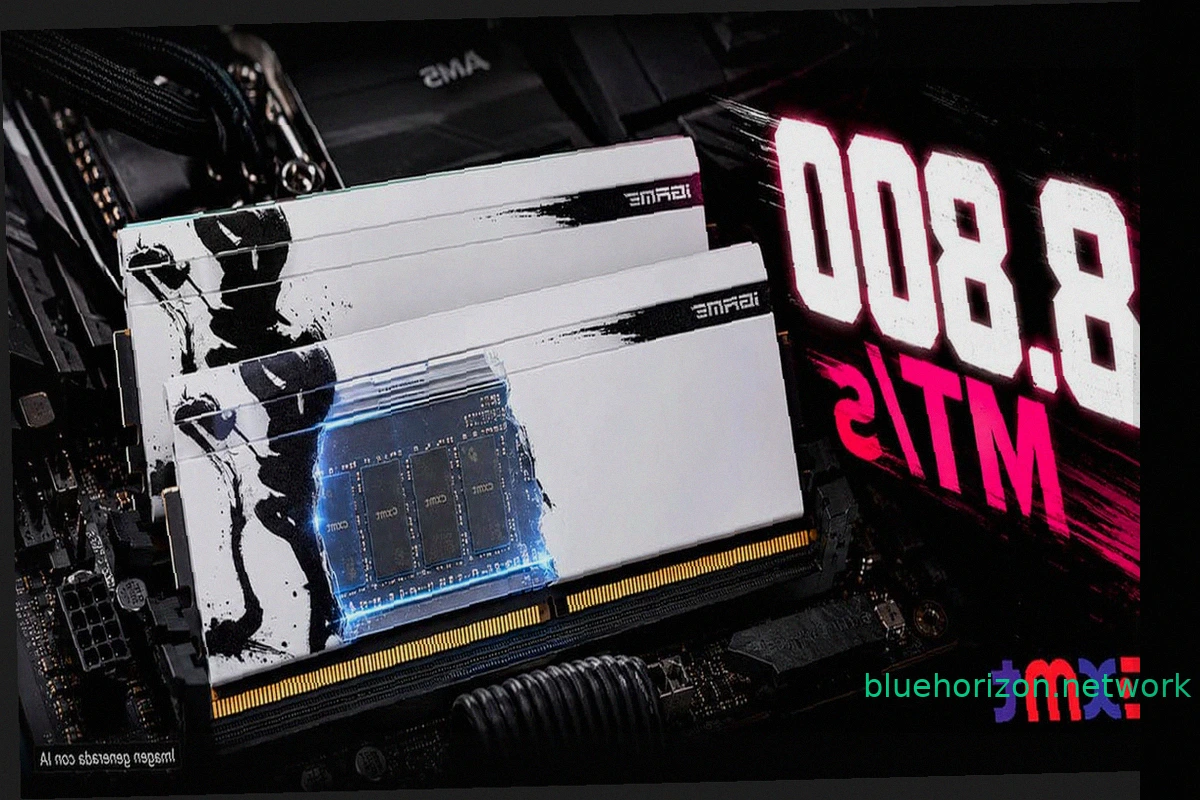
CXMT Steps on the Gas: Its DDR5 Memory Now Reaches 8,800 MT/s with AMD Ryzen CPUs
Chinese manufacturer CXMT continues to make rapid progress in DDR5 memory technology, with its latest achievement being the 8,800 MT/s barrier on AMD platforms. The Chinese manufacturer Colorful has successfully pushed one of its iGame Shadow II kits to 8,800 MT/s on an AMD AM5 platform. This
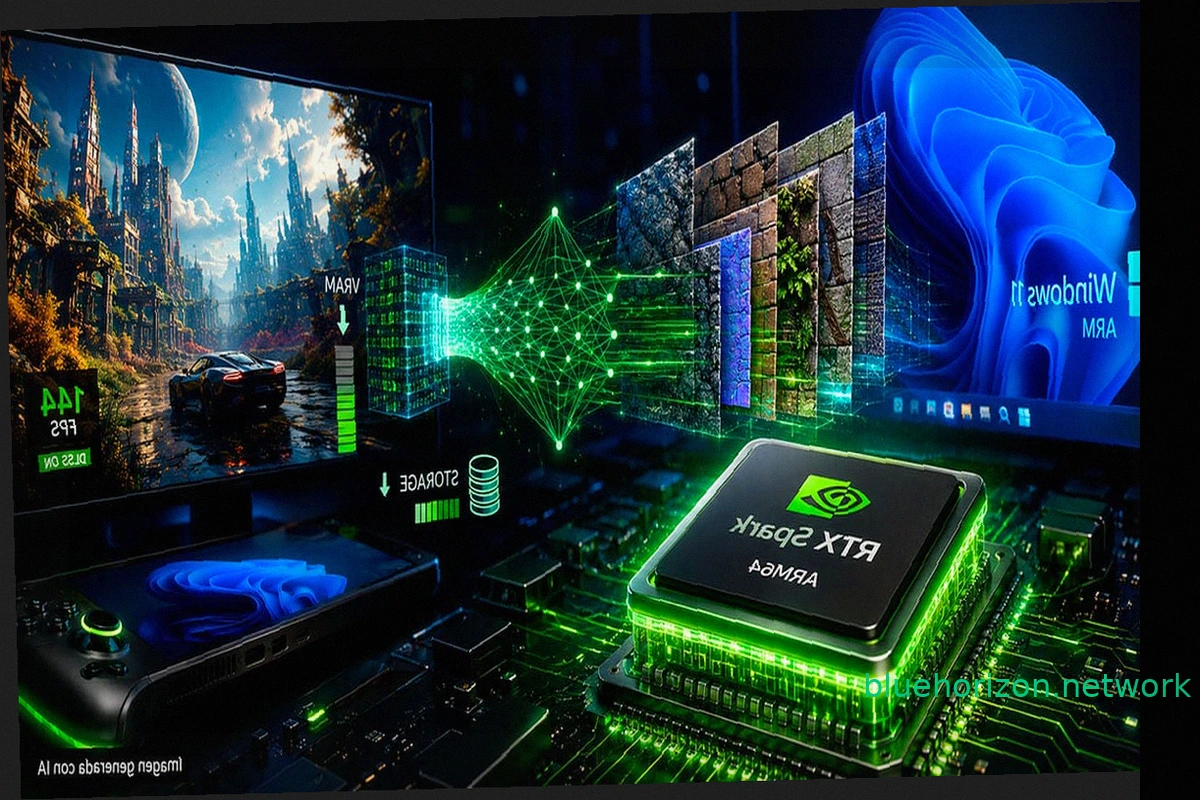
NVIDIA brings RTX NTC technology to Windows 11 Arm ahead of RTX Spark chip launch
NVIDIA is gearing up for the release of its RTX Spark chips on the Windows 11 platform for ARM architecture. The latest advancement involves the release of the SDK for its RTX Neural Texture Compression (RTX NTC) technology, which now includes official compatibility with Windows ARM64. Previou
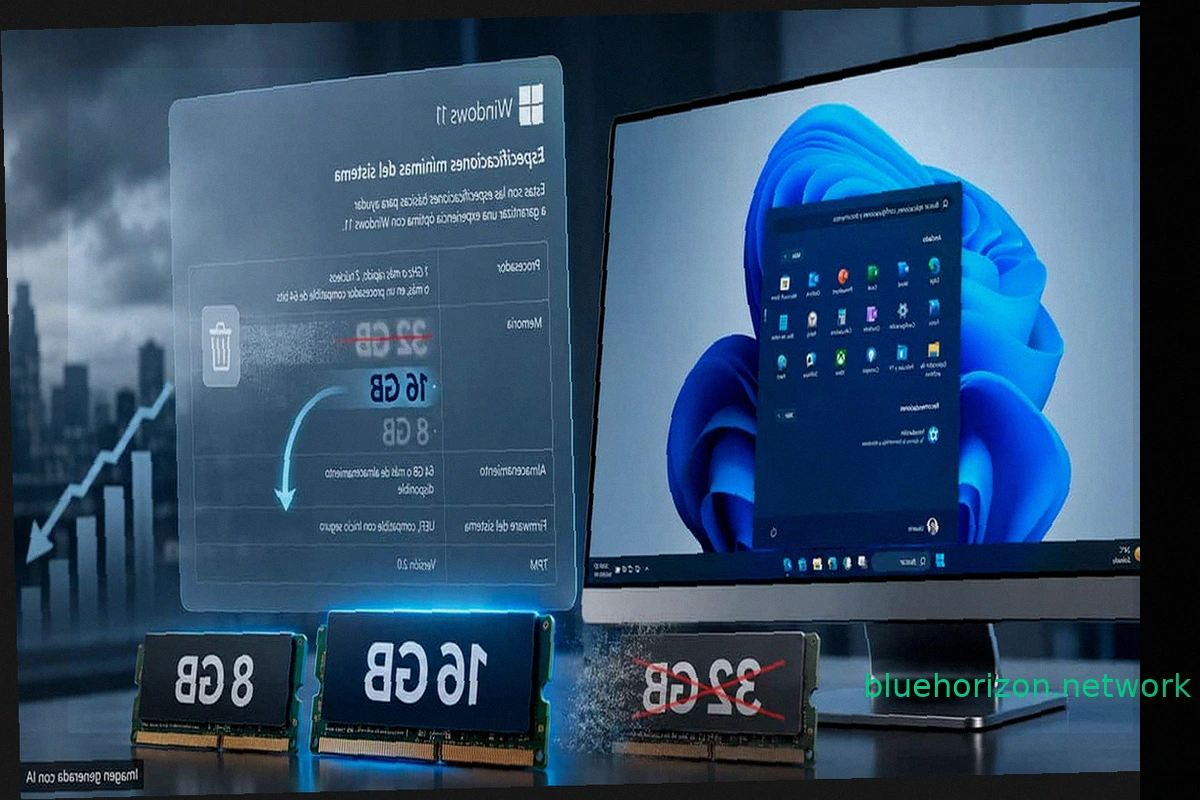
Microsoft Elimina Silenciosamente Recomendación de 32 GB de RAM para Windows 11: Casi Ningún PC se Vende con Más de 16 GB
Microsoft ha eliminado de su centro de aprendizaje varias páginas donde recomendaba 32 GB de memoria RAM para una experiencia fluida con Windows 11. Esta acción se ha realizado de manera sigilosa. Un documento eliminado, titulado 'Cómo optimizar tu PC Gaming' y publicado en noviembre de 2025,
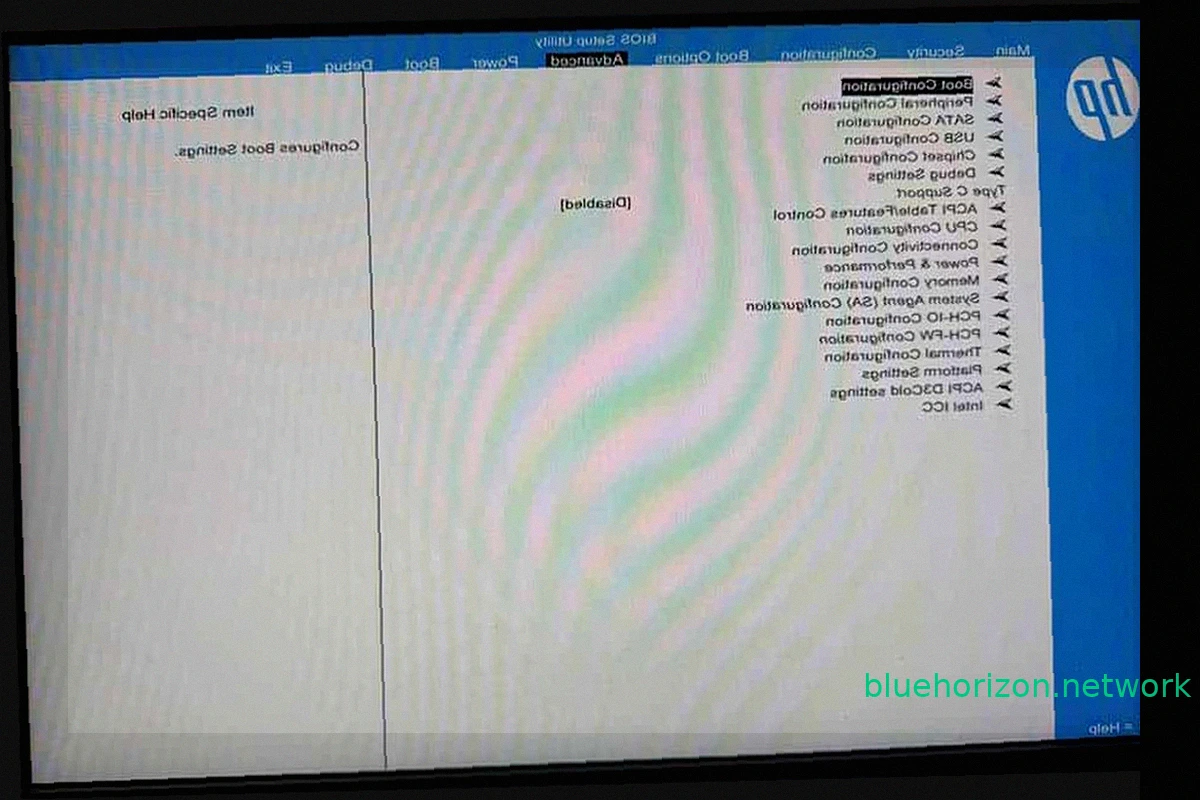
Claude AI Bypasses HP BIOS RSA-2048 Checks, Unlocking 55 Hidden Settings for Laptop
While laptops offer portability, they often come with limitations compared to desktops, including restricted BIOS settings. However, a recent demonstration showcases how Artificial Intelligence can overcome these restrictions. By utilizing the AI model Claude, a user has successfully modified and